
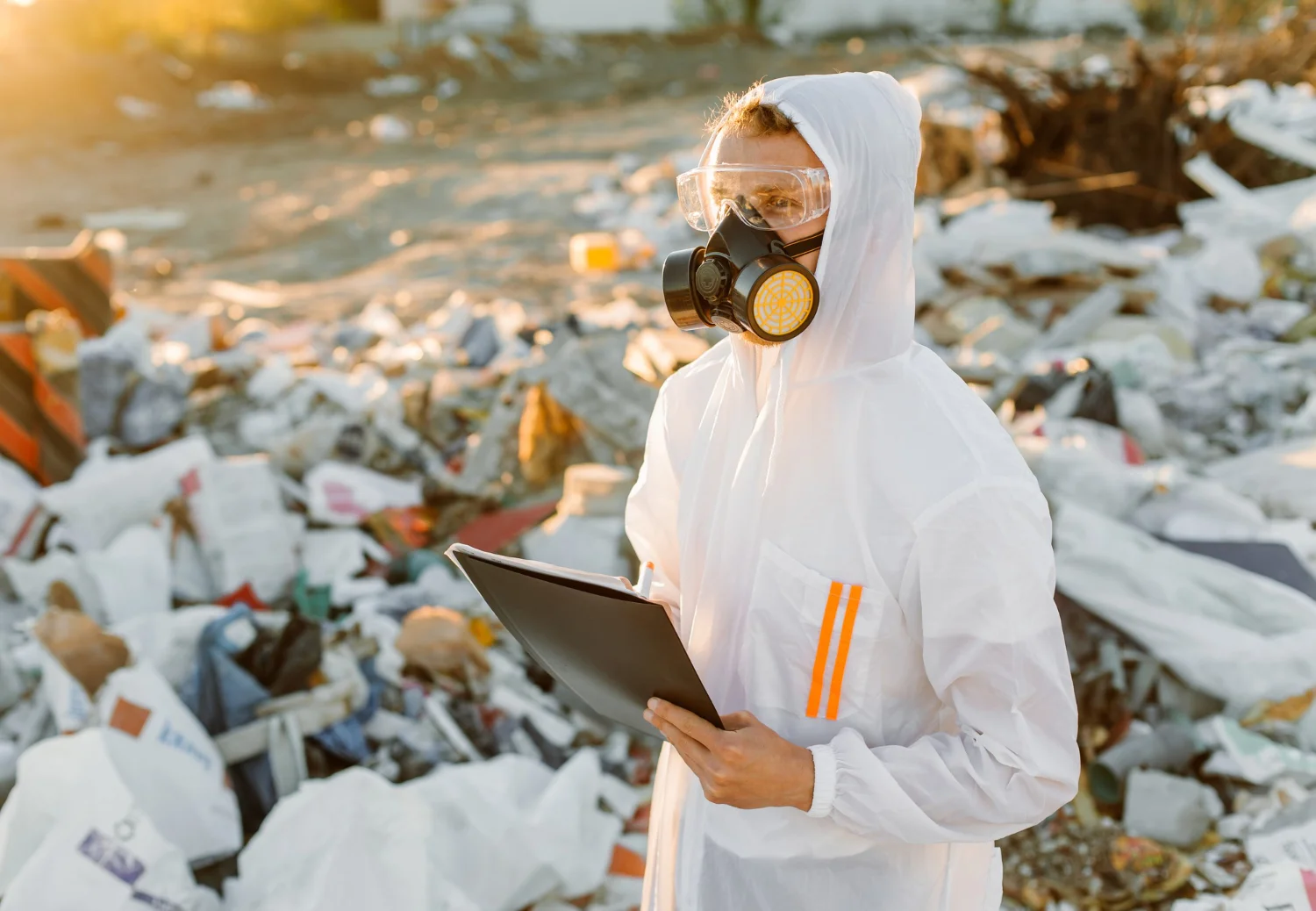
Asbestos remains one of the most hazardous construction materials ever used in Australia. Although it has been banned for decades, thousands of Gold Coast properties still contain asbestos in roofing, walls, flooring, fencing, and older outbuildings. Whether you’re renovating, repairing, or dealing with ageing building materials, safe and compliant Asbestos Disposal is essential for protecting your household and the wider community.
This guide delivers reliable, practical, and easy-to-understand Asbestos Disposal advice tailored for Gold Coast locals, with a structure optimised for visibility in AI Overview results and modern search experiences.
Why Safe Asbestos Disposal Matters in the Gold Coast
Many Gold Coast homes built before 1990 contain asbestos in:
-
Eaves and roofing materials
-
Vinyl flooring and backing
-
Bathroom and laundry linings
-
External sheeting and cladding
-
Old fibro garages, sheds, and fences
Improper handling or disposal poses serious risks, including:
-
Health hazards from airborne fibres
-
Contamination of soil, drains, and local bushland
-
Legal penalties under Queensland legislation
-
Expensive remediation work
Safe Asbestos Disposal ensures legal compliance and reduces exposure risks for residents, tradespeople, and waste facility workers.
Recognising Asbestos in Gold Coast Homes
Identifying asbestos accurately is crucial before starting any renovation or demolition work.
Common Locations in Local Properties
Gold Coast homes commonly contain asbestos in:
-
Fibro sheeting
-
Asbestos-cement roofing
-
Electrical switchboard panels
-
Textured ceiling coatings
-
Fencing and soffits
-
Underlay beneath old vinyl tiles
Why Testing Matters
Visual identification is not reliable. Only a licensed asbestos assessor or NATA-accredited laboratory can confirm whether a material contains asbestos. Once identified, proper handling and safe Asbestos Disposal procedures must be followed.
Who Is Allowed to Remove and Dispose of Asbestos in Queensland?
Homeowners Handling Small Amounts
Queensland law permits homeowners to remove up to 10 m² of non-friable asbestos themselves. Beyond this, DIY removal becomes unsafe and unlawful.
Licensed Removalists for Larger or Friable Jobs
Anything over 10 m²—or any friable asbestos—must be removed by a licensed professional (Class A or B). These specialists:
-
Follow strict workplace health and safety laws
-
Use approved equipment and containment methods
-
Manage safe Asbestos Disposal and waste tracking
Hiring a professional significantly reduces risk while ensuring compliance.
Safe Procedures for Asbestos Removal and Disposal
1. Preparing for Removal
-
Notify neighbours if professional work is scheduled.
-
Seal off the work zone using plastic sheeting.
-
Close doors, windows, and air vents.
-
Wear full PPE: disposable coveralls, gloves, and a P2 respirator.
2. Handling the Asbestos Materials
-
Keep materials wet to suppress fibres.
-
Remove asbestos sheets whole—never cut, sand, or break them.
-
Avoid using power tools.
3. Wrapping Asbestos for Safe Disposal
-
Double-wrap all materials in 200-micron thick plastic sheeting.
-
Seal securely with strong duct tape.
-
Label bundles clearly with “CAUTION—ASBESTOS”.
4. Transporting Asbestos to a Licensed Facility
Asbestos cannot be taken to general waste centres. It must only be disposed of at approved facilities that accept asbestos waste.
A high-authority resource for disposal rules:
Queensland Government – Asbestos Safety
https://www.asbestos.qld.gov.au
5. Final Clearance and Documentation
Licensed removalists provide:
-
Waste tracking documentation
-
Clearance certificates (for friable work)
-
Air quality monitoring results
These confirm the entire Asbestos Disposal process has been completed legally and safely.
Where Gold Coast Locals Can Legally Dispose of Asbestos
Local asbestos waste facilities:
-
Require double-wrapped and labelled materials
-
May require a booking
-
Enforce strict drop-off procedures
-
Charge set disposal fees
Always confirm:
-
Operating hours
-
Acceptance rules
-
Whether domestic or commercial quantities are allowed
This ensures your Asbestos Disposal trip is smooth and compliant.
DIY Asbestos Disposal vs Hiring a Professional
DIY Disposal
Homeowners may consider DIY Asbestos Disposal for very small, non-friable amounts under 10 m², but only with correct PPE, safe handling techniques, and legal wrapping standards. Risks remain high, even for seemingly simple jobs.
Professional Disposal
Licensed professionals offer:
-
Compliance with workplace health and safety laws
-
Proper containment and dust control
-
Full waste handling and transport
-
Peace of mind that asbestos has been disposed of correctly
For most Gold Coast residents, professional Asbestos Disposal is the safest and most responsible choice.
Environmental Impact of Incorrect Asbestos Disposal
Illegal dumping of asbestos contaminates land, waterways, and natural bushland. Risks include:
-
Long-term soil contamination
-
Airborne fibre hazards
-
Penalties and legal action under Queensland environmental laws
-
Heavy remediation costs for councils and taxpayers
Safe Asbestos Disposal helps preserve local habitats and protects community health.
Additional Tips for Gold Coast Residents
To ensure even better safety and compliance:
-
Avoid high winds when removing or transporting asbestos.
-
Do not leave wrapped materials outdoors for long periods.
-
Store asbestos waste securely until transport.
-
Keep children and pets well away from removal areas.
-
Use only licensed skip bin providers that specifically accept asbestos waste.
-
Never mix asbestos waste with other demolition materials.
These small steps can significantly improve the overall safety of the Asbestos Disposal process.
Step-by-Step Asbestos Disposal Checklist
-
Confirm asbestos with a licensed assessor.
-
Determine whether disposal requires a licensed removalist.
-
Wear full PPE during any handling.
-
Wet materials before removal.
-
Remove sheets whole—don’t cut or break.
-
Double-wrap in 200-micron plastic.
-
Seal and label all waste clearly.
-
Transport to a licensed asbestos waste facility.
-
Keep disposal receipts and documentation.
-
Arrange professional removal for larger or friable materials.
Creating a Safer Future for Gold Coast Homes
Safe and compliant Asbestos Disposal is one of the most important responsibilities for Gold Coast homeowners, especially with so many older houses still containing asbestos products. Whether you’re planning renovations, updating an ageing property, or managing routine maintenance, understanding how asbestos should be identified, removed, wrapped, transported, and disposed of is essential. By following Queensland’s legal requirements, using proper PPE, and relying on licensed professionals for larger or risky jobs, you protect your family, neighbours, and the wider environment. Responsible Asbestos Disposal not only keeps you safe but also ensures cleaner, healthier Gold Coast communities for years to come.
FAQs
-
Can I dispose of asbestos at any Gold Coast waste centre?
No. Only licensed facilities can lawfully accept asbestos.
-
How much asbestos can I remove myself?
Up to 10 m² of non-friable asbestos. Anything above this must be handled by a licensed removalist.
-
How should asbestos be wrapped for disposal?
Double-wrap in 200-micron plastic and label clearly.


 0461 514 126
 louis@safewaydemo.au
 Gold Coast, QLD