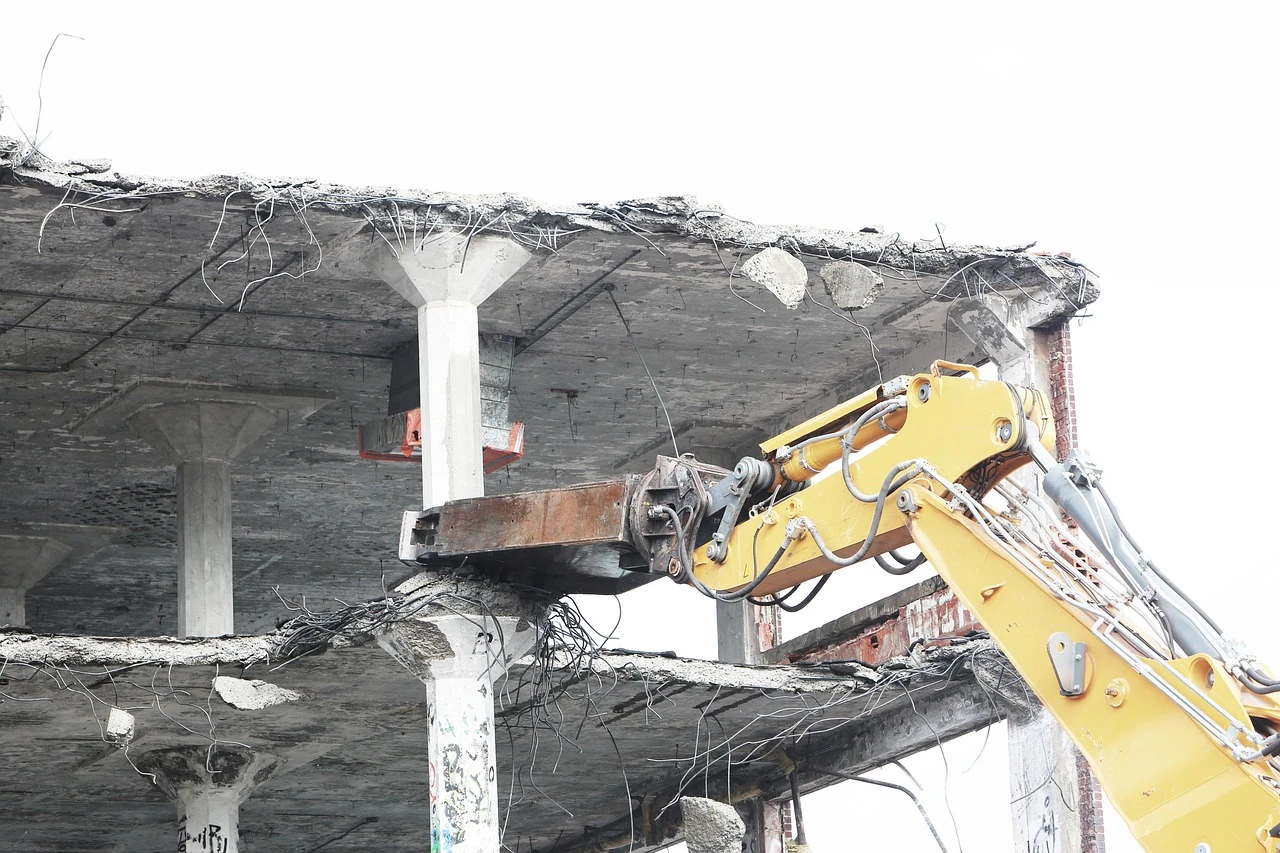
Executing Concrete Demolition correctly is a critical step in many construction, renovation, and redevelopment projects on the Gold Coast. Whether you’re removing an old driveway, breaking up a concrete slab, or preparing a site for new construction, proper planning and execution ensure safety, efficiency, and cost control. Poorly managed demolition can lead to structural damage, safety hazards, and regulatory issues.
This comprehensive guide explains how to execute Concrete Demolition on the Gold Coast properly, covering planning, safety, methods, equipment, and compliance—so your project runs smoothly from start to finish.
Understanding the Scope of Concrete Demolition
Before starting any Concrete Demolition, it’s essential to understand what the project involves. Concrete structures vary in thickness, reinforcement, and location, all of which influence the demolition approach.
Common demolition projects include:
-
Driveways and footpaths
-
House slabs and foundations
-
Commercial flooring
-
Retaining walls and stairs
-
Pool surrounds and hardscaping
On the Gold Coast, environmental conditions, nearby structures, and access constraints often determine how Concrete Demolition should be executed.
Step 1: Site Assessment and Planning
Every successful Concrete Demolition project begins with a detailed site assessment. This step identifies risks, constraints, and the most effective demolition method.
During planning, assess:
-
Thickness and reinforcement of concrete
-
Proximity to buildings, utilities, and boundaries
-
Access for machinery and waste removal
-
Noise, dust, and vibration concerns
A thorough plan reduces unexpected costs and ensures your demolition is completed efficiently and safely.
Step 2: Understand Gold Coast Regulations and Compliance
Regulatory compliance is non-negotiable when carrying out Concrete Demolition. Depending on the project size and location, you may need council approvals, traffic management plans, or environmental controls.
Midway through your planning process, it’s important to reference authoritative safety guidelines such as those provided by Safe Work Australia, which outline demolition safety standards and responsibilities.
Adhering to these guidelines ensures your demolition meets national safety standards and reduces legal risk.
Step 3: Choose the Right Demolition Method
Selecting the correct method is crucial for effective Concrete Demolition. The most common methods include:
-
Manual demolition: Suitable for small areas or tight spaces
-
Mechanical demolition: Uses excavators, breakers, and jackhammers
-
Saw cutting: Provides clean, controlled removal
-
Hydraulic bursting: Ideal for reinforced concrete
Each method has advantages depending on the project size and complexity. Using the wrong approach can slow progress and increase costs during Concrete Demolition.
Step 4: Prioritise Safety at All Times
Safety is the cornerstone of professional Concrete Demolition. Concrete structures can collapse unpredictably, making risk management essential.
Key safety measures include:
-
Personal protective equipment (PPE)
-
Controlled work zones
-
Dust suppression systems
-
Structural stability checks
On the Gold Coast, safety is especially important in residential areas where Concrete Demolition occurs close to neighbouring properties.
Step 5: Use the Correct Equipment
Equipment choice directly impacts the success of Concrete Demolition. Using tools that match the job scope improves speed and reduces damage to surrounding areas.
Common demolition equipment includes:
-
Jackhammers and breakers
-
Excavators with demolition attachments
-
Concrete saws
-
Skid steers
Professional contractors select equipment based on efficiency, access, and safety requirements.
Step 6: Manage Dust, Noise, and Environmental Impact
Effective Concrete Demolition on the Gold Coast must consider environmental factors. Dust and noise can affect nearby residents and businesses.
Best practices include:
-
Water suppression to control dust
-
Noise management during approved hours
-
Proper waste containment
Environmentally responsible demolition protects community relations and ensures compliance with local regulations.
Step 7: Concrete Removal and Waste Disposal
Once demolition is complete, concrete waste must be removed and disposed of correctly. Responsible Concrete Demolition includes recycling wherever possible.
Crushed concrete can often be reused as:
-
Road base
-
Drainage material
-
Landscaping fill
Recycling reduces landfill waste and can lower overall Concrete Demolition costs.
Step 8: Inspect the Site After Demolition
Post-demolition inspections ensure the site is safe and ready for the next stage of construction. After Concrete Demolition, check for:
-
Remaining debris
-
Uneven surfaces
-
Underground service exposure
A clean, level site is essential for future building work and reflects the quality of the Concrete Demolition process.
Step 9: Hire Experienced Demolition Professionals
While small jobs may be manageable, larger or reinforced projects require professional expertise. Experienced contractors bring:
-
Knowledge of Gold Coast regulations
-
Proper equipment and trained operators
-
Efficient project management
Hiring specialists ensures your Concrete Demolition is completed safely, legally, and on schedule.
Common Mistakes to Avoid
Mistakes during Concrete Demolition can lead to costly delays. Avoid:
-
Skipping site assessments
-
Underestimating reinforced concrete
-
Ignoring safety protocols
-
Poor waste management
Avoiding these pitfalls ensures smoother execution and better results.
Why Proper Execution Matters
Properly executed Concrete Demolition protects surrounding structures, keeps workers safe, and prepares the site for future development. On the Gold Coast, where properties are often close together, precision and planning are essential.
A well-managed Concrete Demolition project saves time, reduces costs, and ensures compliance—making it a critical step in any successful construction project.
Planning for Future Construction After Demolition
One often overlooked aspect of demolition is how it impacts the next phase of construction. Proper execution doesn’t end when the concrete is removed—it also involves preparing the site for what comes next. On the Gold Coast, soil conditions, drainage, and ground stability should be assessed immediately after demolition to avoid future structural issues.
Grading and compaction are essential steps following Concrete Demolition, especially for slabs and foundations. Any leftover debris or uneven surfaces can compromise new concrete pours or building works. This is why professional demolition contractors focus on clean removal and precise site preparation.
Forward planning also helps reduce project downtime. When demolition is coordinated with builders, engineers, and project managers, transitions between demolition and construction are seamless. This approach saves time and minimises additional costs caused by rework or delays.
By treating Concrete Demolition as a strategic part of the construction lifecycle rather than a standalone task, property owners ensure better outcomes. A well-prepared site enhances build quality, supports long-term durability, and maximises the value of the overall project.
Bringing Your Demolition Project Together
Executing demolition on the Gold Coast properly requires careful planning, regulatory compliance, and experienced execution. By understanding the scope, choosing the right methods, prioritising safety, and managing waste responsibly, you ensure your project progresses smoothly.
When done correctly, Concrete Demolition becomes a controlled, efficient process that sets the foundation for successful construction and long-term results.
Frequently Asked Questions (FAQs)
-
How long does Concrete Demolition take?
The duration of Concrete Demolition depends on size, thickness, and reinforcement, but most projects take one to several days.
-
Do I need approval for Concrete Demolition on the Gold Coast?
Some Concrete Demolition projects require council approval, especially for large-scale or commercial work.
-
Can concrete be recycled after demolition?
Yes, most Concrete Demolition waste can be recycled and reused as aggregate or base material.
