Asbestos remains a hidden risk in many Gold Coast homes, particularly those built or renovated before the late 1980s. While it was once widely used for its durability and fire resistance, asbestos is now known to pose serious health hazards when disturbed. Understanding safe Asbestos Disposal is essential for protecting your family, neighbours, and the wider community.
Homeowners often encounter asbestos during renovations, demolitions, or repairs. Without proper handling, asbestos fibres can become airborne and inhaled, leading to long-term health complications. Following correct Asbestos Disposal guidelines is not just best practice — it is a legal and moral responsibility for Gold Coast property owners.
Where Asbestos Is Commonly Found in Gold Coast Homes
Many older properties across the Gold Coast still contain asbestos materials. These may be hidden in areas that homeowners rarely inspect, such as roof cavities or external wall linings. Common locations include roofing sheets, wall cladding, fencing, eaves, bathroom linings, and old vinyl flooring.
When these materials remain intact and undisturbed, they may not pose an immediate risk. However, cutting, drilling, breaking, or removing them without proper controls can release dangerous fibres. Safe Asbestos Disposal begins with knowing where asbestos may exist and treating any suspect material with caution.
Why Safe Asbestos Disposal Is So Important
Improper handling of asbestos can lead to severe health consequences, including asbestosis, lung cancer, and mesothelioma. These illnesses often develop decades after exposure, making prevention critical.
Beyond health concerns, unsafe Asbestos Disposal can contaminate soil, air, and neighbouring properties. On the Gold Coast, where homes are often close together, this risk is amplified. Correct disposal practices protect not only your household but also the wider community.
Legal Responsibilities for Gold Coast Homeowners
Queensland law places clear obligations on property owners regarding asbestos. Homeowners must ensure asbestos waste is handled, transported, and disposed of at approved facilities. Dumping asbestos in general waste bins or illegally discarding it can result in significant fines.
Engaging licensed professionals for Asbestos Disposal helps ensure compliance with all local and state regulations. It also provides peace of mind that the process is being handled safely and lawfully.
Identifying Asbestos Before Disposal
Before any removal or Asbestos Disposal takes place, materials must be correctly identified. Visual inspection alone is not always reliable, as asbestos products can resemble non-hazardous materials.
Professional testing is the safest way to confirm asbestos presence. Once identified, a clear plan for safe handling and Asbestos Disposal can be established, reducing the risk of accidental exposure.
Safe Handling and Preparation for Asbestos Disposal
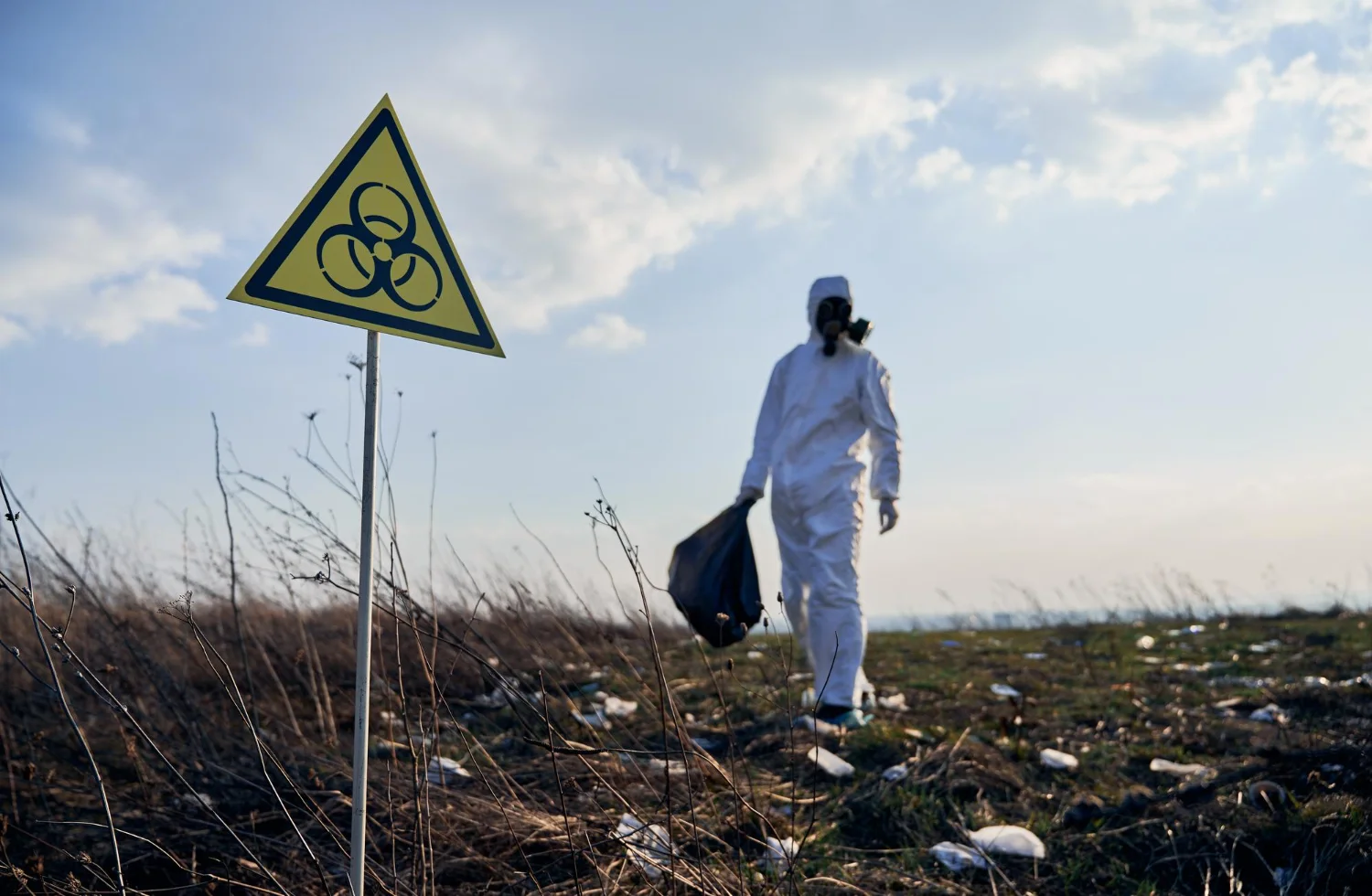
If asbestos removal is required, strict safety measures must be followed. This includes isolating the area, minimising dust, and using appropriate protective equipment. Materials should never be broken or crushed, as this increases fibre release.
Proper preparation is a critical step in responsible Asbestos Disposal. Sealing materials, clearly labelling waste, and preventing contamination of surrounding areas all form part of a safe disposal process.
Approved Transport and Disposal Methods
Asbestos waste must be transported securely to prevent fibre release during transit. This typically involves double-wrapping materials in heavy-duty plastic and sealing them thoroughly.
On the Gold Coast, asbestos waste must be taken to licensed disposal facilities that are equipped to manage hazardous materials. According to the Queensland Government, asbestos must never be disposed of with household rubbish or green waste. Official guidance on safe asbestos handling and disposal can be found.
Following these approved pathways ensures Asbestos Disposal does not pose ongoing risks to workers, waste handlers, or the environment.
Why Professional Asbestos Disposal Is Recommended
While minor asbestos removal may be permitted under strict conditions, professional services are strongly recommended. Licensed providers have the training, equipment, and experience needed to manage risks effectively.
Professional Asbestos Disposal services handle everything from assessment and removal to transport and documentation. This reduces the chance of mistakes that could lead to health risks or legal penalties.
Risks of DIY Asbestos Disposal
Attempting DIY Asbestos Disposal is one of the most common mistakes homeowners make. Without proper controls, even small jobs can result in fibre exposure. Many people underestimate how easily asbestos fibres become airborne.
DIY disposal also increases the risk of improper transport or illegal dumping, both of which carry serious consequences. Choosing professional Asbestos Disposal is often the safest and most cost-effective option in the long term.
Protecting Neighbours and the Community
The Gold Coast’s suburban layout means asbestos exposure can extend beyond property boundaries. Airborne fibres can travel, affecting neighbours, pedestrians, and nearby worksites.
Responsible Asbestos Disposal includes notifying relevant parties, securing the site, and ensuring waste is handled in a way that prevents community exposure. This shared responsibility helps maintain a safer environment for everyone.
Environmental Considerations
Improper Asbestos Disposal can contaminate soil and waterways, creating long-term environmental hazards. Once asbestos enters the environment, remediation becomes complex and costly.
Approved disposal facilities are designed to isolate asbestos safely, preventing future exposure. By following correct Asbestos Disposal guidelines, homeowners contribute to environmental protection as well as public health.
When to Plan Asbestos Disposal During Renovations
Renovation projects often uncover asbestos unexpectedly. Planning for Asbestos Disposal early in the renovation process helps avoid delays, cost overruns, and safety risks.
Scheduling assessments before work begins allows for safe removal and disposal without disrupting timelines. Early planning also ensures Asbestos Disposal is carried out in compliance with regulations.
Record Keeping and Compliance
Keeping records of asbestos assessments, removal, and Asbestos Disposal is an important part of responsible property management. Documentation may be required for future sales, renovations, or compliance checks.
Professional services typically provide disposal certificates, offering proof that asbestos waste has been handled correctly.
Making Safety the Priority for Gold Coast Homes
Safe Disposal is a critical part of protecting health, property, and the Gold Coast community. By understanding where asbestos is found, following legal requirements, and using approved disposal methods, homeowners can reduce risks significantly. Whether planning renovations or addressing existing materials, responsible Asbestos Disposal ensures peace of mind and long-term safety.
Taking a proactive approach also helps avoid costly delays, legal penalties, and unexpected exposure during future property works. With the right planning and professional support, Asbestos Disposal becomes a controlled, compliant process rather than a last-minute emergency. Ultimately, prioritising safe disposal protects not just today’s occupants, but the long-term value and safety of Gold Coast homes.
FAQs: Asbestos Disposal on the Gold Coast
-
Is Asbestos Disposal mandatory for all asbestos materials?
Yes, any removed asbestos material must follow approved Asbestos Disposal procedures to prevent health and environmental risks.
-
Can I dispose of asbestos at a regular landfill?
Only licensed facilities accept asbestos waste. Approved Asbestos Disposal sites are specifically equipped to handle hazardous materials.
-
How much asbestos is considered safe for DIY removal?
Even small amounts carry risk. Professional Asbestos Disposal is recommended to ensure safety and compliance.
