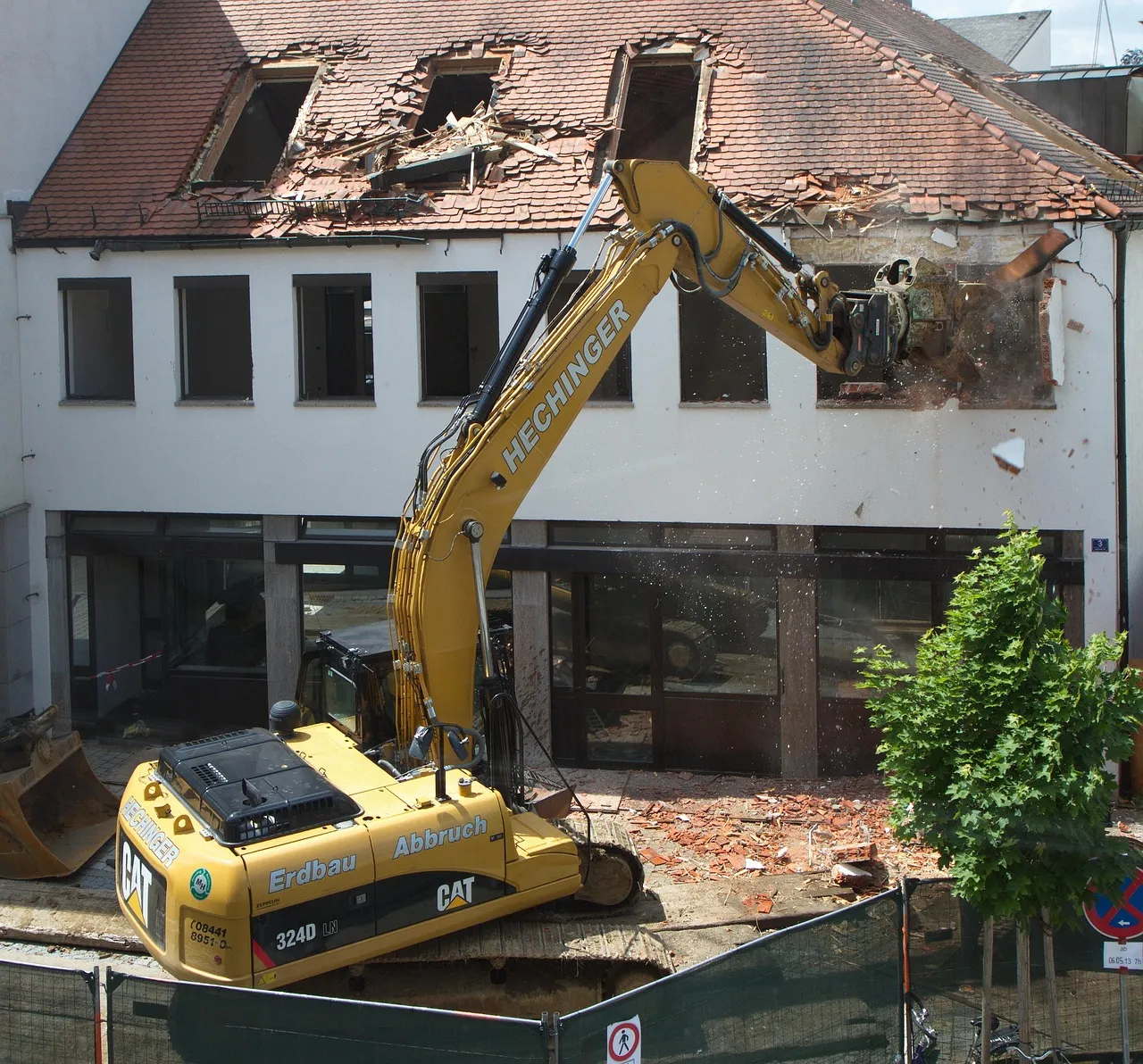
Undertaking Shed Demolition on the Gold Coast requires more than just physical effort—it demands careful planning, strong safety awareness, and a clear understanding of local conditions. With coastal weather patterns, varied construction styles, and residential proximity, safety must always come first. A structured approach helps reduce risks, protect people nearby, and ensure the work proceeds smoothly from start to finish.
When handled correctly, Shed Demolition can be a controlled and well-managed process rather than a hazardous one. By following proven safety steps, property owners and professionals alike can minimise disruptions and maintain compliance with regulations while protecting both people and the surrounding environment.
Understanding the Gold Coast Environment
Before any physical work begins, it is important to understand the local environment. The Gold Coast experiences high humidity, seasonal storms, and occasional strong winds. These conditions can directly affect Shed Demolition, especially when working with older or weather-damaged structures.
Assessing the site in advance helps identify environmental risks such as unstable ground, poor drainage, or nearby vegetation. Taking these factors into account allows safety measures to be adapted to local conditions rather than relying on generic practices.
Detailed Planning Before Work Starts
One of the most important safety steps in Shed Demolition is thorough planning. This includes reviewing the shed’s construction materials, size, age, and location on the property. A clear plan outlines the order of dismantling, equipment required, and safety controls to be applied at each stage.
Planning also ensures that emergency procedures are in place. When everyone involved understands their role and the sequence of tasks, the likelihood of accidents is significantly reduced.
Compliance With Local Regulations
Regulatory compliance is a critical part of safe Shed Demolition on the Gold Coast. Local councils and workplace safety authorities provide guidelines that govern demolition activities, including site access, waste handling, and risk management.
For authoritative guidance on demolition safety standards and best practices, Safe Work Australia provides a comprehensive code of practice that outlines responsibilities and risk controls for demolition work.
Following recognised standards not only improves safety but also ensures that demolition activities align with legal expectations.
Personal Protective Equipment (PPE)
Proper personal protective equipment is essential during Shed Demolition. Items such as safety helmets, gloves, eye protection, steel-capped footwear, and respiratory protection help reduce the risk of injury from falling debris, sharp materials, or airborne dust.
Using PPE consistently throughout the process creates a safer work environment. Even small structures can pose serious hazards if protective measures are ignored.
Structural Assessment and Stability
Before dismantling begins, a structural assessment should be carried out. Older sheds may have weakened supports, rusted fasteners, or compromised roofing materials. Identifying these issues early allows Shed Demolition to proceed in a controlled sequence rather than through sudden collapses.
Removing components in a planned order helps maintain stability and prevents unexpected movement of materials during dismantling.
Managing Hazardous Materials
Some sheds, particularly older ones, may contain hazardous materials such as asbestos, treated timber, or lead-based paint. These materials require specialised handling and should never be disturbed without proper controls.
Safe Shed Demolition involves identifying hazardous substances in advance and applying appropriate containment and removal procedures. This protects workers, occupants, and neighbouring properties from exposure.
Establishing a Safe Work Zone
Setting up a secure work zone is another key safety step. Barriers, warning signage, and restricted access help keep bystanders away from active demolition areas. This is especially important on the Gold Coast, where residential properties are often close together.
A clearly defined work zone allows Shed Demolition activities to proceed without interference and reduces the risk of injury to others.
Using the Right Tools and Techniques
Selecting appropriate tools is essential for safety and efficiency. Hand tools, power tools, and lifting equipment should all be suitable for the materials being removed and in good working condition.
Using the correct techniques during Shed Demolition prevents excessive force, reduces strain injuries, and minimises the chance of tools slipping or malfunctioning.
Monitoring Weather Conditions
Weather awareness plays a significant role in safe demolition work. Rain, high winds, or extreme heat can create additional hazards, such as slippery surfaces or unstable materials.
Scheduling Shed Demolition around favourable weather conditions helps maintain control over the worksite and protects everyone involved from avoidable risks.
Safe Handling and Waste Management
As materials are removed, they must be handled and stored safely. Sharp metal, broken timber, and loose roofing sheets should be stacked neatly and removed regularly from the site.
Proper waste management during Shed Demolition keeps the work area clear, reduces trip hazards, and supports responsible disposal practices.
Emergency Preparedness
Even with careful planning, emergencies can still occur. Having a clear emergency response plan is a vital safety step. This includes access to first aid supplies, communication methods, and clear exit paths.
Preparedness ensures that Shed Demolition activities can be paused or stopped quickly if an unexpected situation arises.
Ongoing Supervision and Communication
Continuous supervision helps ensure safety measures are followed throughout the project. Regular communication between team members allows hazards to be identified and addressed promptly.
Active oversight during Shed Demolition reinforces safe behaviour and encourages everyone to remain alert and engaged.
Final Safety Review Before Completion
Before declaring the work complete, a final safety check should be conducted. This includes inspecting the site for remaining hazards, ensuring all materials have been removed, and confirming that the area is left in a safe condition.
A final review reinforces the importance of safety and completes the Shed Demolition process responsibly.
Building a Safer Approach to Demolition Work
By following these safety-focused steps, property owners and professionals can approach Shed Demolition on the Gold Coast with confidence and care. A methodical approach that prioritises planning, protection, and compliance creates safer outcomes for everyone involved. When safety is treated as a core priority, demolition work becomes a controlled and responsible process rather than a risky undertaking.
Taking the time to assess risks, prepare the site, and follow recognised safety practices also helps prevent avoidable disruptions and delays. Clear communication and ongoing supervision further strengthen safety outcomes throughout the project. Ultimately, a well-managed approach to Shed Demolition protects people, property, and the surrounding environment while ensuring the work is completed responsibly.
Frequently Asked Questions
-
Why is safety planning important before removing a shed?
Safety planning helps identify risks early, ensures compliance with regulations, and reduces the chance of accidents during the process.
-
What protective gear is essential during demolition work?
Protective gear typically includes helmets, gloves, eye protection, safety footwear, and respiratory protection when required.
-
How can weather affect demolition activities?
Weather conditions such as rain or strong winds can increase risks by affecting visibility, footing, and material stability.
