Asbestos roof removal is not just another home improvement task; it’s a serious responsibility tied to your health, safety, and property value. Many older homes still carry asbestos roofing, often unnoticed until renovations or damage bring it to light. Understanding the risks and knowing the right approach can make all the difference.
In Australia, strict regulations govern how asbestos is handled, and for good reason. Disturbing asbestos without proper care can release harmful fibres into the air. That’s why working with experienced asbestos removal contractors and following approved safety practices is essential for every homeowner.
If you are considering asbestos roof removal on the Gold Coast, it’s important to act with care and confidence. Choosing licensed professionals ensures the process is handled safely, legally, and efficiently from start to finish.
Recognising Asbestos Roofs in Your Home
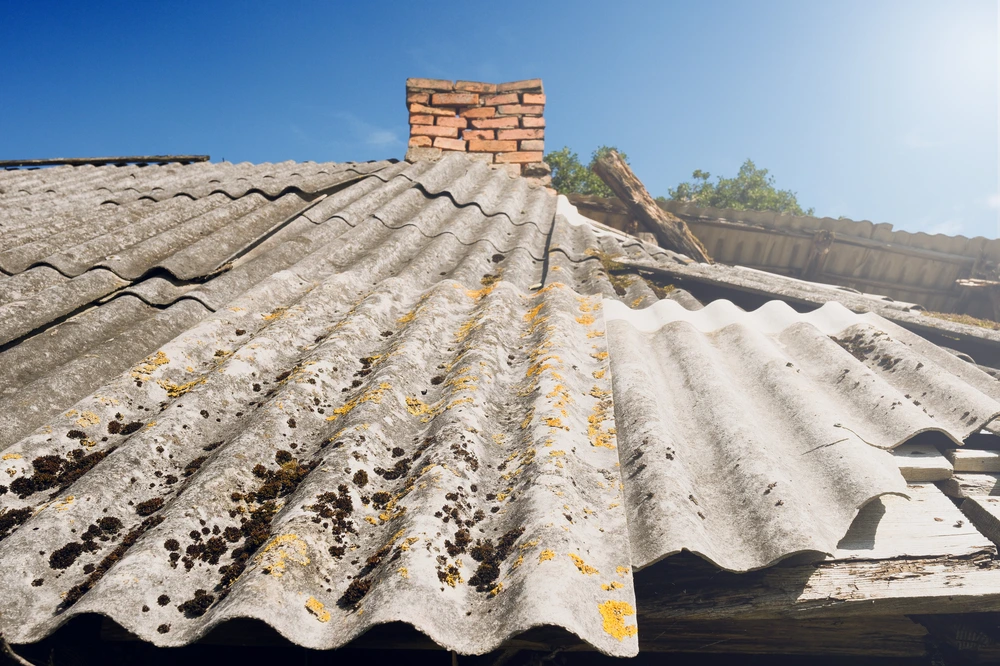
Asbestos roofs were common on Australian homes up until the late 1980s. On the Gold Coast, a 1970s–80s fibro roof often looks like wavy grey cement sheets. If your roof matches this description or was installed before 1990, it likely contains asbestos. Unlike modern metal or tiled roofs, asbestos-cement sheets will flake or crumble if cut or cracked. This means any disturbance can release harmful dust. Even routine wear (moss, weathering) can make the sheets fragile. If you’re renovating or replacing your roof, you’ll almost certainly need to deal with asbestos removal.
Why Safe Asbestos Roof Removal Matters
Asbestos is a silent killer. Inhaling its fibres years ago may suddenly cause mesothelioma or cancer decades later. In Queensland, the smallest asbestos fibres are considered the most dangerous; they travel deep into the lungs and linger there. Because of this, legal and safety rules are strict. WorkSafe Queensland and the public health authorities mandate that any asbestos removal must use proper procedures, protective gear and licensed personnel.
The good news is: if your asbestos roof is intact and you won’t disturb it, it can be left in place under normal conditions. You can even paint or seal small cracks to extend its life. However, any major renovation or demolition usually requires removal. When it’s time to remove an asbestos roof, following the rules keeps you, your family and tradespeople safe.
Legal Requirements for Asbestos Removal in Queensland
Queensland’s laws divide asbestos removal into clear categories. The key factor is how much non-friable asbestos you’re removing. Under the regulations:
DIY removal of ≤10 m² non-friable asbestos: Homeowners can remove up to 10 square metres of bonded (cement) asbestos material without a licence or certificate, provided they follow strict safety procedures. This 10 m² is roughly four sheets of standard fibro wall sheeting. If your roof removal is under 10 m², you still must wet the sheets, wear PPE (mask, coveralls, goggles, etc.), and contain dust.
Homeowner removal >10 m² non-friable: If you need to remove more than 10 m² of asbestos sheets (e.g. a whole roof), you cannot legally do it without proper certification. You must either hire a contractor with the right licence or get a Queensland Health asbestos removal certificate.
Friable asbestos (loose or powdery): Any friable asbestos must be removed by a Class A licensed removalist. Homeowners cannot DIY friable asbestos at all.
The table below summarises these rules:
| Work Scope / Material | Allowed for DIY? | Licence / Certificate Required (QLD) |
| ≤ 10 m² of non-friable (bonded) asbestos (e.g. cement roof panels) | Yes, if safety measures are followed | No licence needed (but must use PPE and safe procedures) |
| > 10 m² non-friable asbestos | Not DIY (must hire a pro or get a certificate) | Homeowner needs Health Dept asbestos removal certificate (or hire Class B/A licensed removalist) |
| Any amount of friable asbestos | Not DIY (never) | Must hire a Class A licensed asbestos removalist |
DIY Removal vs Professional Asbestos Roof Removal Services
If you qualify for DIY removal (small area, solid sheets), it’s still not as simple as grabbing a hammer. At a minimum, you need:
- Proper PPE: Wear a P2 (or P1) respirator, disposable coveralls, boots and eye protection. These help stop fibres sticking to you and spreading.
- Dust control: Dampen the roof sheets thoroughly with water or a licensed sealant before cutting or removing. This keeps dust down.
- Tool restrictions: Use only hand tools or slow, low-speed drills with dust extraction. Never use angle grinders, nail guns, or compressed air on asbestos.
- Waste packaging: Immediately double-bag every piece of asbestos in heavy-duty (0.2 mm) plastic, seal it, and label each bag “CAUTION ASBESTOS”.
- Local disposal: You must take the waste to an approved site, following council rules.
Because of the risks and paperwork, most homeowners prefer to hire licensed asbestos removal services. Licensed contractors handle everything safely: they have equipment, carry liability insurance, and know all regulations. A true licensed Class B contractor can remove large asbestos roofs and will provide a clearance certificate after cleaning up. A Class A contractor covers friable asbestos as well. Hiring a professional also means that the asbestos disposal is legally arranged.
The Asbestos Roof Removal Process
When a professional team removes an asbestos roof, the job typically follows these steps:
- Inspection and Testing – Confirm asbestos presence and condition.
- Site Setup – Seal off the work area, lay plastic sheets, set up scaffolding and decontamination zones.
- Removal Work – Carefully dismantle or cut the asbestos sheets (with water suppression and no power tools) and immediately bag the waste.
- Clean-Up – After sheets are gone, the roof frame and ground are thoroughly vacuumed with HEPA filters, then cleaned with wet wipes. Dust is strictly contained.
- Waste Disposal – Asbestos waste is transported (wrapped and labelled) to licensed landfills.
- Re-Roofing (if applicable) – Install the new roofing material (Colorbond, metal, tiles, etc.) to finish the job.
- Air Monitoring and Certification – The contractor may do or arrange clearance air testing to ensure safe levels, then provide you with a certificate of compliance.
DIY removals follow similar precautions (wetting, waste wrapping, PPE), but generally without the fancy equipment that pros use. Many experts warn that improper DIY can cost a homeowner thousands more in fines and cleanup later. In contrast, a professional asbestos roof removal service includes all safety measures and paperwork, so you can be sure the job is done completely and legally.
Safe Disposal of Asbestos Roofing Waste
Once sheets are removed, disposal is heavily regulated. On the Gold Coast, asbestos waste is classified as Waste; you cannot just throw it in the general tip. Council guidelines specify:
- Packaging: Every sheet/piece must be wet and wrapped in two layers of 0.2 mm thick plastic, sealed with tape, and labelled in large letters “CAUTION ASBESTOS”.
- Load limits: If you’re doing a small DIY job, you can transport up to 250 kg (roughly 10 m²) of non-friable asbestos in a personal vehicle or trailer without a special permit. Over 250 kg, the load needs official waste tracking forms.
- Designated dump sites: The Gold Coast will only accept asbestos waste at Stapylton or Reedy Creek landfills. They have special drop-off zones. Never put asbestos in green bins or non-authorised dumps.
- Enforcement: Loads that aren’t wrapped or labelled properly will be rejected. Breaking these rules can mean fines from Queensland health/environment authorities.
Proper disposal adds to the cost and planning of removal. Your contractor will typically include landfill fees in their quote, or if DIY, your local council website will list current asbestos disposal charges.
Conclusion
Asbestos roofing is not something to take lightly. From understanding the risks to following proper legal procedures, every step in asbestos roof removal requires careful planning and professional handling. Choosing the right approach protects not only your property but also the health of everyone around you.
Working with experienced and licensed asbestos removal contractors ensures the job is completed safely, efficiently, and in line with Australian regulations. Whether it’s inspection, removal, or asbestos roof replacement, relying on trusted asbestos removal services gives you peace of mind and long-term security.
If you’re planning asbestos roof removal on the Gold Coast, now is the time to act. Safe Way Demolition offers reliable asbestos removal services, handled by qualified professionals who prioritise safety and compliance. Contact us today to request a quote and learn more about our services.
FAQs:
-
Can I remove my asbestos roof sheets myself?
You can remove a very small amount of bonded (non-friable) asbestos yourself. Queensland allows homeowners to remove up to 10 m² of cement asbestos sheets without a licence. You must use wet methods, PPE (respirator, coveralls, gloves, etc.) and follow all safety steps.
-
What licences do asbestos removal contractors need in Queensland?
In Queensland, asbestos removal businesses must hold a WorkSafe licence. A Class A licence covers any asbestos and allows the removal of large or loose asbestos. A Class B licence is for bonded asbestos only, up to commercial amounts. If you hire a contractor, ensure they have the appropriate licence.
-
How do I dispose of asbestos roof waste in the Gold Coast?
Asbestos waste must be double-wrapped and dropped off only at approved landfills (Stapylton or Reedy Creek on the Gold Coast) during operating hours. Before transport, wet all waste, wrap it in 0.2 mm plastic, seal with tape and label each bundle “CAUTION ASBESTOS”. Transporters (or you, up to 250 kg) must keep loads intact. The landfill will charge the asbestos waste rate.


 0461 514 126
 louis@safewaydemo.au
 Gold Coast, QLD