Planning a demolition project without a clear budget can quickly lead to unexpected costs and delays. Whether you are preparing for a new build, renovating an existing property, or clearing land, understanding how to budget correctly is essential. On the Gold Coast, factors such as property size, regulations, and site conditions all influence pricing. By approaching Demolition Services with the right financial planning mindset, property owners can stay in control of costs while avoiding costly surprises.
Budgeting is not just about choosing the cheapest option. It is about balancing safety, compliance, efficiency, and long-term value to ensure the project runs smoothly from start to finish.
Understanding What Demolition Really Involves
Before setting a budget, it is important to understand the full scope of demolition work. Many people assume demolition simply means knocking a structure down, but the process is far more involved. Professional Demolition Services include site inspections, safety planning, permits, utility disconnections, material handling, and site cleanup.
Each of these steps carries a cost, and overlooking them can lead to underestimated budgets. Knowing what is included helps you compare quotes accurately and avoid unexpected add-ons later.
Key Factors That Affect Demolition Costs
Several variables influence the final price of demolition projects on the Gold Coast. Being aware of these elements allows you to budget more realistically.
-
Property Size and Structure Type
Larger buildings and multi-storey structures require more labour, machinery, and time. Residential homes, commercial properties, and industrial sites all have different pricing considerations when planning Demolition Services.
-
Materials Used
Buildings made from brick, concrete, steel, or mixed materials cost more to dismantle and dispose of than timber structures. Heavier materials also require specialised equipment and transport.
-
Site Accessibility
Tight access, sloped land, or proximity to neighbouring properties can increase labour time and safety requirements. These conditions can significantly affect the cost of Demolition Services.
The Importance of Permits and Compliance
Local council approvals and regulatory compliance are mandatory for most demolition projects. Permit fees, inspections, and compliance checks must be factored into your budget. Reputable Demolition Services providers will guide you through these requirements, helping prevent costly fines or project delays.
For authoritative guidance on regulations, approvals, and development requirements in Queensland, property owners should refer to official government resources. The Queensland Government provides up-to-date information on planning, construction, and compliance obligations, helping ensure demolition projects are properly approved and legally compliant before work begins.
Hazardous Materials and Their Budget Impact
Older buildings may contain asbestos, lead paint, or other hazardous materials. These substances require specialised handling and disposal, which adds to overall project costs. Professional assessments are essential before finalising budgets, as hazardous material removal is often one of the biggest cost variables in Demolition Services.
Ignoring this step can result in serious health risks and unexpected expenses mid-project.
Labour, Equipment, and Timeframes
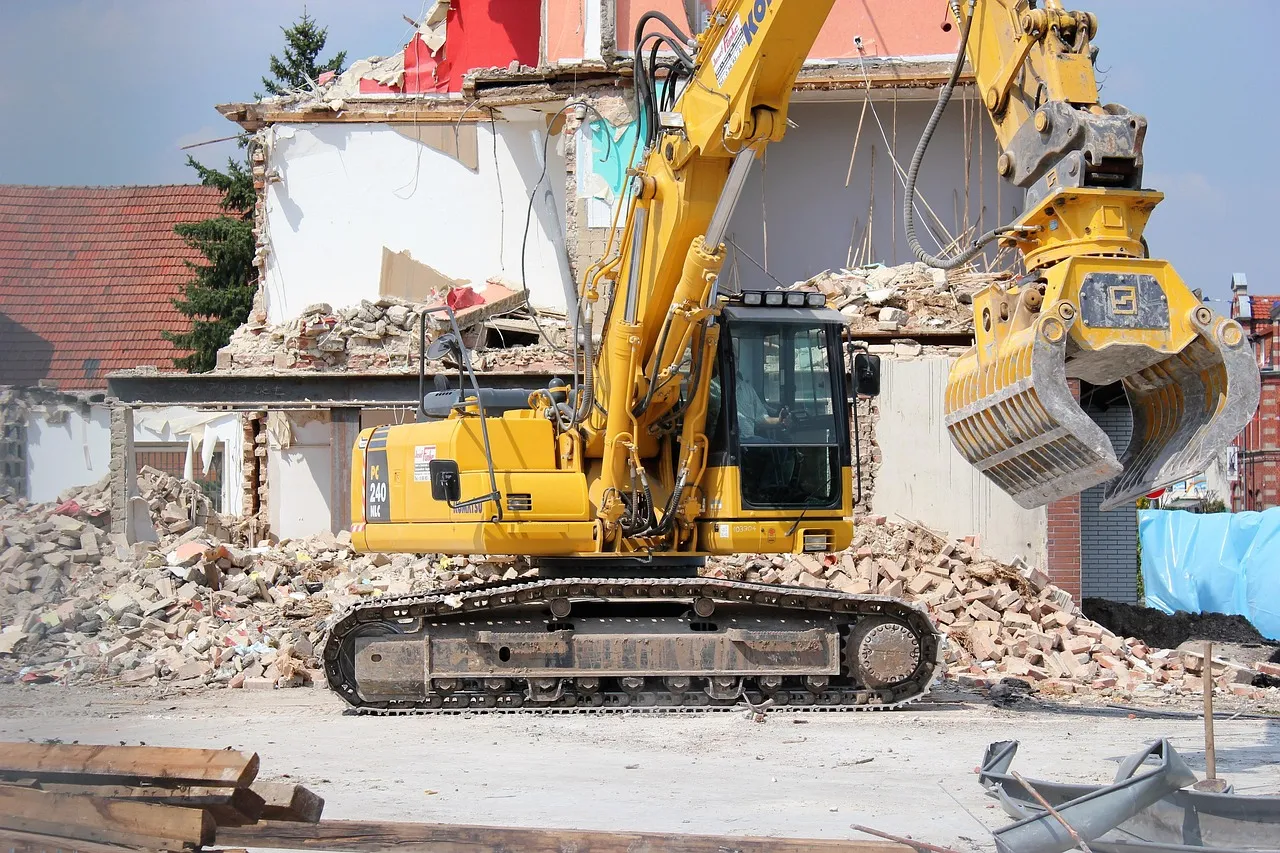
Demolition costs are closely tied to labour hours and machinery use. Excavators, loaders, and haulage vehicles all contribute to pricing. Efficient scheduling reduces downtime and labour overruns. Choosing experienced Demolition Services helps ensure projects are completed within agreed timeframes, keeping labour costs predictable.
Shorter project durations often mean lower overall expenses.
Waste Removal and Recycling Costs
Disposal fees vary depending on material type and volume. Many Gold Coast projects benefit from recycling concrete, metal, and timber, which can offset disposal costs. Sustainable Demolition Services providers often include recycling strategies in their quotes, helping reduce landfill fees and support environmentally responsible practices.
Including waste management planning in your budget can lead to meaningful savings.
Partial vs Full Demolition Budgeting
Not all projects require full structure removal. Partial demolition, such as removing walls or extensions, typically costs less but still requires careful planning. Understanding whether your project needs partial or full Demolition Services helps align your budget with the actual scope of work.
Clear communication with contractors ensures you only pay for what is truly required.
Getting Accurate Quotes and Avoiding Hidden Costs
Obtaining multiple detailed quotes is one of the most effective budgeting strategies. Each quote should clearly outline inclusions, exclusions, timelines, and responsibilities. Reliable Demolition Services providers are transparent about costs and willing to explain pricing structures.
Avoid vague estimates, as they often lead to unexpected charges later in the project.
Planning for Unexpected Expenses
Even with careful planning, unexpected issues can arise. Weather delays, underground obstacles, or additional structural complexities may affect costs. Setting aside a contingency fund of 10–15% of your total budget helps protect against financial stress during Demolition Services projects.
This buffer ensures your project can continue smoothly without compromising quality or safety.
Choosing Value Over the Lowest Price
While it may be tempting to choose the cheapest option, quality and experience matter. Poor workmanship can lead to safety risks, compliance issues, and costly corrections. Investing in reputable Demolition Services often results in fewer delays, better site outcomes, and long-term savings.
Value-driven decisions consistently outperform short-term cost cutting.
Coordinating Demolition With Future Construction
If demolition is part of a larger construction plan, coordination is essential. Proper timing reduces idle periods and prevents rework. Experienced Demolition Services providers work closely with builders and project managers to align schedules, reducing overall project costs.
Good coordination saves both time and money.
Understanding Timelines and Their Cost Impact
Project timelines play a major role in overall budgeting. Longer projects often mean higher labour costs, extended equipment hire, and increased site management expenses. Clear scheduling from the start helps minimise downtime and prevents overlapping trades from causing delays. Homeowners who align demolition timing with council approvals and future construction phases often avoid unnecessary holding costs. Factoring realistic timelines into your budget ensures smoother project flow and reduces financial pressure caused by rushed decisions or extended site inactivity.
Why Smart Budgeting Makes All the Difference
Budgeting properly for demolition is about preparation, not guesswork. Understanding cost drivers, regulatory requirements, and potential risks allows property owners to plan confidently. With the right approach and experienced professionals, Demolition Services become a controlled investment rather than an unexpected expense.
Taking time to plan, compare, and allocate funds wisely ensures your Gold Coast project starts on solid financial ground and sets the stage for successful future development.
FAQs
-
How much should I budget for demolition on the Gold Coast?
Costs vary depending on structure size, materials, site access, and permits. A professional assessment provides the most accurate estimate.
-
Are permits always required for demolition?
In most cases, yes. Local council approvals are commonly required before starting Demolition Services.
-
Can recycling lower demolition costs?
Yes. Recycling materials such as concrete and metal can reduce disposal fees and overall project expenses.
