
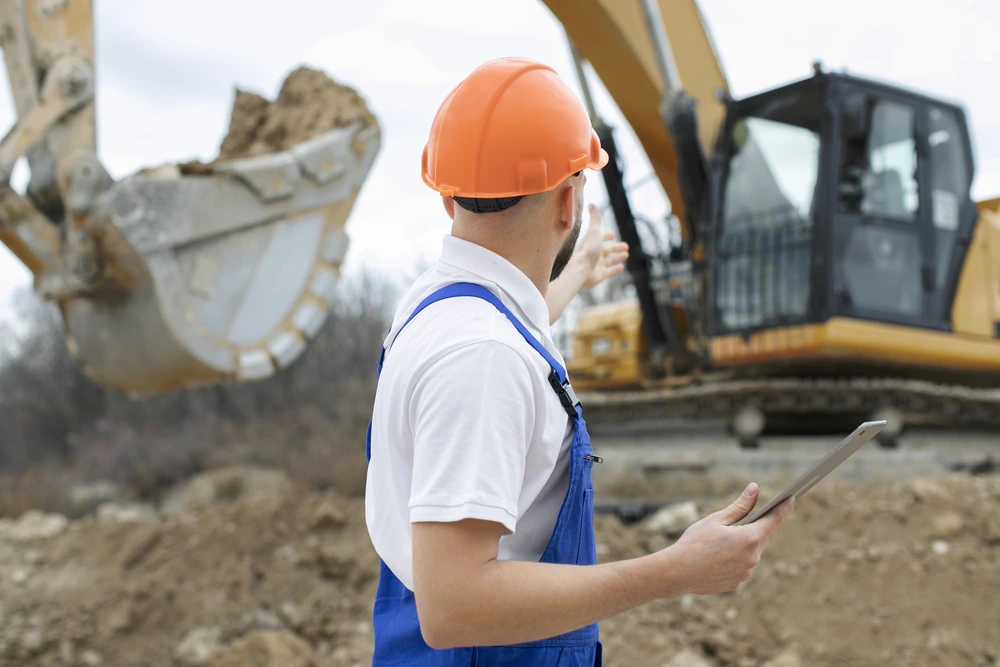
Every construction project begins below the surface, and that’s where the real risks often lie. Whether you’re preparing land for a new build or upgrading infrastructure, excavation is one of the most critical and potentially hazardous stages. It sets the foundation for everything that follows, so getting it right is not just important; it’s essential.
From unstable soil conditions to hidden underground utilities, excavation work demands precision, planning, and a strong focus on safety. We’ve seen how even small oversights can lead to costly delays or serious safety concerns. That’s why understanding the risks upfront can make a world of difference.
If you’re planning a project involving excavation in Gold Coast, working with experienced professionals and following strict safety practices ensures your site stays compliant, efficient, and secure from start to finish.
Trench Collapses (Cave-Ins)
One of the most dangerous risks is trench collapse, when a wall of an excavation falls in and buries workers. Preventing cave-ins is critical. Always assume soil can shift, especially after heavy rain.
Contractors should slope or bench trench walls or install engineered shoring or trench shields. In other words, cut the side of the hole back or brace it with timber/steel supports so the earth doesn’t just drop on you. It’s wise to have a geotechnical engineer analyse the soil, loose sand and disturbed fill which may need extra support.
After any storm or even an extended break, inspect trenches before work resumes. Remember: any collapse is a notifiable dangerous incident in QLD, so the law requires reporting it immediately. In practice, keep heavy machinery away from trench edges and never let workers enter a new trench that hasn’t been protected.
Falls and Falling Loads
Even if a trench doesn’t cave in, people can still fall in or be hit by material. Anyone leaning over the edge or tripping into a hole can suffer broken bones or worse. Likewise, loose soil or debris at the top can tumble down as falling loads, crushing workers below.
To prevent falls, always treat the excavation perimeter as a danger zone. Install solid barriers or sturdy rails around open holes, and post clear warning signs. Workers must wear high-visibility vests and hard hats. Keep all tools, pipes, spoil piles and equipment at least a metre back from the edge so nothing slides in. Some sites even use netting or tarps over loose areas. When workers need to enter the trench, provide safe egress so no one has to climb the wall itself.
By contrast, loads falling from above are also deadly. Materials like rocks, timber or tools dropped into a trench can fatally injure those below. To avoid this, clear loose debris from the edge, and enforce a strict “no climbing” rule on the spoil heap. Plan your work so that if a crane or digger places anything near a trench, no one is directly under the swing.
Heavy Machinery & Equipment Hazards
Excavation sites are full of big machines (excavators, loaders, trucks). These improve efficiency but bring risks of their own. Blind spots, equipment rollover, and collisions can cause serious injuries.
Wear steel-capped boots and high-visibility clothing so drivers see you clearly. Never stand or walk behind a loading bucket or move if an operator is backing up; use designated walkways or buddy systems with flaggers directing traffic. All machines should have audible alarms when reversing. And don’t skip pre-start checks: confirming brakes, lights and controls are working to prevent accidents.
Excavators and bulldozers move huge quantities of earth. Even slight equipment failures or operator errors can harm workers. That’s why professional excavation services emphasise training, signalling, and clear work zones.
Hazardous Atmosphere & Contaminants
Some excavation hazards aren’t visible at all. Airborne dust and gases in trenches can quietly poison workers. Old fill dirt may contain asbestos shards, lead or silica dust. Queensland regulations mandate that any known asbestos must be removed by a competent person before digging. Always test the soil for contaminants if the site has a history of industrial use.
Ventilation is critical: even shallow trenches can accumulate carbon monoxide from engines or release trapped gases. Use respirators or air monitors when digging near industrial sites or sewers. If deep work is planned, monitor oxygen levels and have a rescue plan ready.
Rain, Flooding & Groundwater
On the Gold Coast, sudden downpours are common. Heavy rain can quickly flood an open trench, creating drowning or entrapment risks. Saturated soil also loses strength, greatly increasing the danger. Always check the weather forecast before big digs. If rain comes, cover the trench or pump it out immediately. Slope the excavation sides more conservatively if you know runoff will pour through. Many contractors install temporary diverts or sumps to keep water away. In wetlands or near the coast, the water table might even be high, which requires dewatering pumps on standby.
Planning, Permits and Professional Help
Good preparation is the best safety tool. Before any site excavation, read the site carefully. Identify potential trouble, rocky sub-soils, old septic tanks, tree stumps, and adapt your methods.
Don’t try to handle major excavations on your own. A professional excavation contractor brings experienced crews who know these hazards. They coordinate the required excavation services: from vacuum-hydro excavation around utilities, to arranging any demolition or asbestos removal ahead of digging.
If you’re involved in “land clearing and excavation” for development, remember you’re clearing more than just dirt; you must manage native trees, wildlife habitat, and council rules. Experts plan these tasks carefully. Even if you’re in a rural area, a slug of wet clay or a hidden sinkhole can be disastrous if unplanned. In every case, contact the local Gold Coast council early to see if you need an excavation or clearing permit, and arrange a “dial before you dig” check.
Hazards and Controls Safety Checks
| Hazard | Risk/Impact | Mitigation/Controls |
| Trench collapse (cave-in) | Burial, crush injuries, fatalities | Slope or shore up walls; engineer-designed shoring or shielding; inspect soil stability (especially after heavy rain). |
| Falling into excavation | Broken bones, serious injury | Install guardrails/barriers and warning signs; provide safe access (ladders, ramps); keep edges clear of clutter. |
| Falling objects or debris | Crushing or head injuries | Keep materials and tools away from trench edges; require hard hats; use restricted zones so no one stands under loose loads. |
| Hitting buried utilities | Electrocution, gas leaks, and water ingress | Always call 1100.com.au or local services before digging; use a vacuum or hand digging near marked lines. |
| Heavy machinery/equipment | Vehicle collisions, rollovers, and impact injuries | Use trained operators; employ spotters/flaggers; enforce PPE (vests, boots); maintain equipment and use backup alarms. |
| Hazardous atmosphere (dust, asbestos, gases) | Respiratory illness, poisoning, suffocation | Remove asbestos before work; conduct air monitoring; provide respirators/ventilation when needed. |
How You Can Stay Safe
As a final checklist, always:
- Plan Ahead: Before the dig, review local codes and site plans. Call for utility locates and arrange environmental testing. A survey can reveal hidden slopes or structures.
- Use Safe Work Methods: For any high-risk trench or deep dig, write and follow a Safe Work Method Statement. Ensure all workers know the emergency plan.
- Train and Gear Up: Verify everyone has a White Card and proper training. Issue helmets, boots, gloves, and in dusty sites, respirators.
- Hire Experts: Engaging an excavation contractor or professional excavation team often pays off. They’ll manage permits, insurance, and safety gear, reducing your risks.
- Inspect Continuously: Check trenches at shift changes, after rains, or if ground vibration occurs. Watch for cracks or bulges. If anything feels unsafe, stop work immediately and shore it up.
By addressing each risk, from cave-ins to airborne hazards, you turn excavation from a dangerous unknown into a predictable process. That’s how homes and buildings rise without tragedy: with awareness, compliance, and respect for the earth you’re moving.
Conclusion
Excavation work may seem straightforward at first glance, but as we’ve explored, it involves a range of safety risks that require careful attention. From soil instability and underground services to equipment hazards and environmental factors, each stage of the process demands proper planning and awareness. By identifying these risks early, you place yourself in a much stronger position to manage them effectively.
The key takeaway is simple: safe excavation is not about reacting to problems, but preventing them. Working with a qualified excavation contractor, following Australian safety guidelines, and using the right equipment all contribute to a smoother, safer project. When safety becomes part of your process, everything else naturally falls into place.
If you’re looking for reliable and professional excavation services, we’re here to help. At Safe Way Demolitions, we bring experience, precision, and a strong commitment to safety on every project. Contact us to learn more or to discuss your project and get expert support from start to finish
FAQs:
-
What are the most common hazards during excavation on the Gold Coast?
The top risks include trench or wall collapse, falls into the excavation, being struck by falling objects or machinery, and hitting underground utilities (electric, gas, water). Dust and poor air quality (from silica or asbestos) and equipment accidents are also common concerns.
-
How can trench collapses and cave-ins be prevented?
Use proper support and slope systems. For example, bench or shore up the walls of deep trenches. After heavy rain, inspect trenches before work resumes. Hire a competent engineer or contractor to design shoring/shielding solutions. Tools like hydro-vacuum excavation can remove soil safely, and regular inspections ensure stability.
-
Do I need permits or special licenses before starting excavation in Gold Coast?
Yes. Before excavating, you typically need council permits for earthworks and must “Dial Before You Dig” to locate utilities. Any worker must hold a White Card (safety induction). Trenching over 1.5 m or working near live electrical lines is classed as high-risk and requires a Safe Work Method Statement.


 0461 514 126
 louis@safewaydemo.au
 Gold Coast, QLD