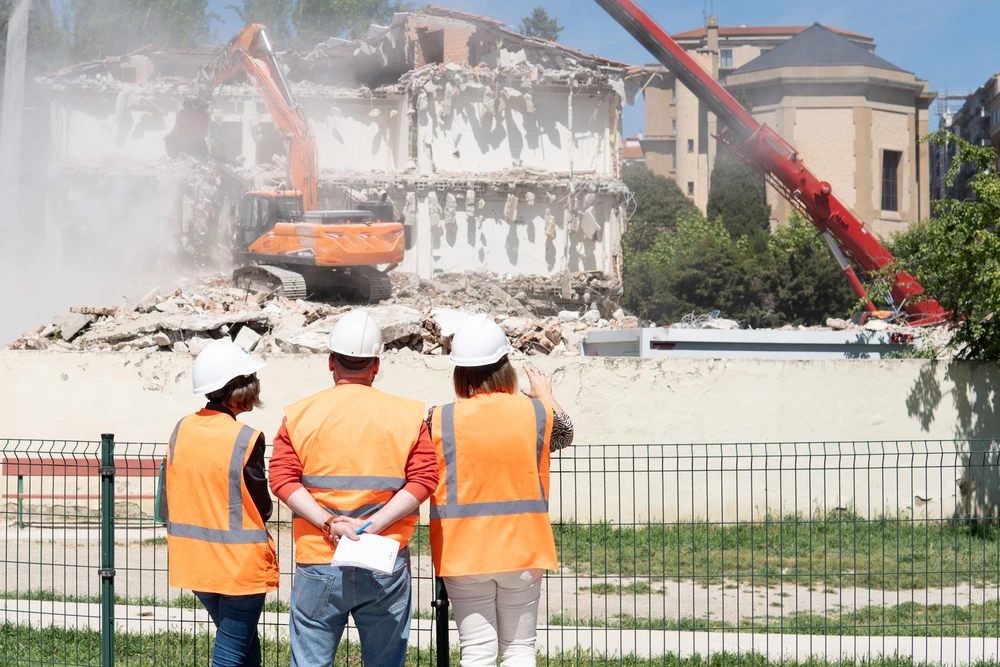
Demolition plays a critical role in urban renewal, infrastructure upgrades, and property redevelopment. However, the process involves structural risks, heavy machinery, hazardous materials, and strict regulatory requirements. For property owners, contractors, and developers, understanding safety compliance is essential before any structure is dismantled.
In regions like the Gold Coast, regulatory expectations are detailed and actively enforced. This guide explains the safety standards, procedures, legal responsibilities, and environmental controls involved in demolition services while keeping public welfare, worker protection, and environmental responsibility at the forefront.
Why Safety Standards Matter in Gold Coast
The Gold Coast continues to experience steady development across residential, commercial, and industrial sectors. With redevelopment comes the need for controlled and compliant demolition services that prioritise:
- Worker health and safety
- Public protection
- Environmental safeguards
- Structural risk management
- Legal compliance
Unsafe demolition can lead to structural collapse, airborne contaminants, injuries, and long-term environmental damage. Strict standards ensure that projects are completed systematically and responsibly.
Regulatory Framework Governing Demolition
Safety procedures are not optional. They are enforced under national and state legislation.
In Queensland, demolition work falls under the Work Health and Safety Act and associated regulations. Detailed compliance guidance is provided by Safe Work Australia, which outlines nationally harmonised safety principles and risk management standards.
These guidelines influence how demolition services are planned, supervised, and executed.
Pre-Demolition Planning Requirements
Before physical work begins, a structured risk assessment is mandatory. Professional demolition services follow a multi-stage planning process:
1. Structural Assessment
Qualified engineers evaluate:
- Load-bearing components
- Structural integrity
- Adjacent building impact
- Collapse risk factors
2. Hazard Identification
This includes:
- Asbestos
- Lead-based materials
- Electrical hazards
- Underground services
- Gas connections
3. Safe Work Method Statements (SWMS)
High-risk demolition tasks require documented procedures explaining:
- Work sequence
- Identified risks
- Control measures
- Emergency procedures
Proper documentation ensures that demolition services operate under controlled conditions.
Site Safety Controls
Safety during active demolition relies on layered controls.
Controlled Access Zones
Restricted entry areas prevent unauthorised personnel from entering high-risk spaces.
Personal Protective Equipment (PPE)
Workers typically use:
- Hard hats
- Respirators
- Eye protection
- Steel-capped footwear
- High-visibility clothing
Dust Suppression Measures
Water misting systems are commonly used to control airborne particles during demolition services.
Noise Management
Noise barriers and limited operating hours reduce disturbance and protect nearby communities.
Hazardous Material Management
One of the most critical components of safe demolition services is hazardous material handling.
Asbestos Removal
If asbestos is present:
- Licensed professionals must remove it
- Containment areas are sealed
- Air monitoring may be required
Waste Segregation
Materials must be sorted into:
- Recyclable metals
- Concrete waste
- Timber
- Contaminated materials
Proper segregation improves environmental outcomes and reduces risk exposure.
Machinery and Equipment Safety
Heavy equipment is central to modern demolition services, but machinery misuse significantly increases risk.
Equipment Inspections
Routine checks ensure:
- Hydraulic systems are stable
- Braking systems function correctly
- Structural attachments are secure
Operator Competency
Only trained and certified operators should handle:
- Excavators
- Wrecking balls
- Hydraulic shears
- Elevated work platforms
Supervision protocols reduce the likelihood of accidents during demolition services.
Environmental Protection Standards
Environmental responsibility is embedded in compliant demolition services.
Dust Monitoring
Air quality monitoring devices track particulate levels.
Stormwater Protection
Sediment barriers prevent debris from entering drainage systems.
Recycling Targets
Concrete crushing and metal recovery reduce landfill impact.
Sustainable demolition practices contribute to long-term urban health and responsible development.
Emergency Response Planning
Every demolition project must include an emergency response framework.
This includes:
- Evacuation routes
- First aid stations
- Fire response plans
- Structural collapse procedures
Clear communication systems allow rapid coordination during unexpected incidents.
Reliable demolition services always prepare for worst-case scenarios before initiating structural dismantling.
Community Communication and Public Safety
Public-facing communication plays an essential role in safe operations.
Notifications often include:
- Scheduled timelines
- Road closures
- Noise expectations
- Safety perimeters
Transparent communication builds trust and reduces disruption concerns linked to demolition services.
Common Safety Risks in Demolition
Understanding typical risks helps stakeholders remain vigilant.
Structural Instability
Unplanned collapse remains one of the most serious hazards.
Falling Debris
Improper sequencing can lead to uncontrolled debris movement.
Airborne Contaminants
Dust and hazardous fibres pose respiratory risks.
Equipment Malfunction
Mechanical failure can endanger operators and nearby workers.
Properly managed demolition services mitigate these risks through strict compliance protocols.
Role of Training and Competency
Ongoing training ensures that workers remain aware of evolving safety standards.
Training may include:
- Hazard recognition
- Equipment operation
- Confined space procedures
- Working at heights certification
Continuous education strengthens the reliability of demolition services across different project scales.
Documentation and Record Keeping
Compliance requires documentation throughout the project lifecycle.
Records typically include:
- Risk assessments
- Inspection logs
- Incident reports
- Waste tracking documentation
Maintaining thorough records protects both contractors and property owners involved in demolition services.
How Property Owners Can Stay Informed
If you are planning a demolition project in Gold Coast, consider asking:
- Has a full risk assessment been completed?
- Are hazardous materials identified?
- Are safety permits approved?
- Is the contractor fully licensed?
- Is there an emergency response plan?
Asking these questions ensures your demolition services provider follows safety-first principles.
Future Trends in Demolition Safety
Technological innovation is shaping safer demolition processes.
Emerging advancements include:
- Remote-controlled machinery
- Structural scanning technology
- Robotics for hazardous environments
- Real-time air quality monitoring
These developments enhance safety performance in modern demolition services.
The Importance of Structured Demolition Safety
Safety standards form the backbone of responsible structural removal. In the Gold Coast, regulatory compliance, environmental responsibility, and worker protection define professional demolition services.
From risk assessments and hazardous material control to emergency planning and environmental monitoring, every stage demands structured oversight. Property owners and developers who understand these safety frameworks are better equipped to manage risk and ensure successful project outcomes.
When safety leads the process, demolition becomes not just a structural task, but a controlled, accountable, and responsible operation.
FAQs:
-
What permits are required before demolition on the Gold Coast?
Permits depend on building type, structure size, and presence of hazardous materials. Local authorities and safety regulators must approve demolition before work begins.
-
Is asbestos assessment mandatory before demolition?
Yes. If asbestos is suspected, a licensed inspection and removal process must be completed before demolition proceeds.
-
How is public safety maintained during demolition?
Safety barriers, restricted zones, controlled access points, and clear signage help prevent unauthorised entry and protect pedestrians.
