
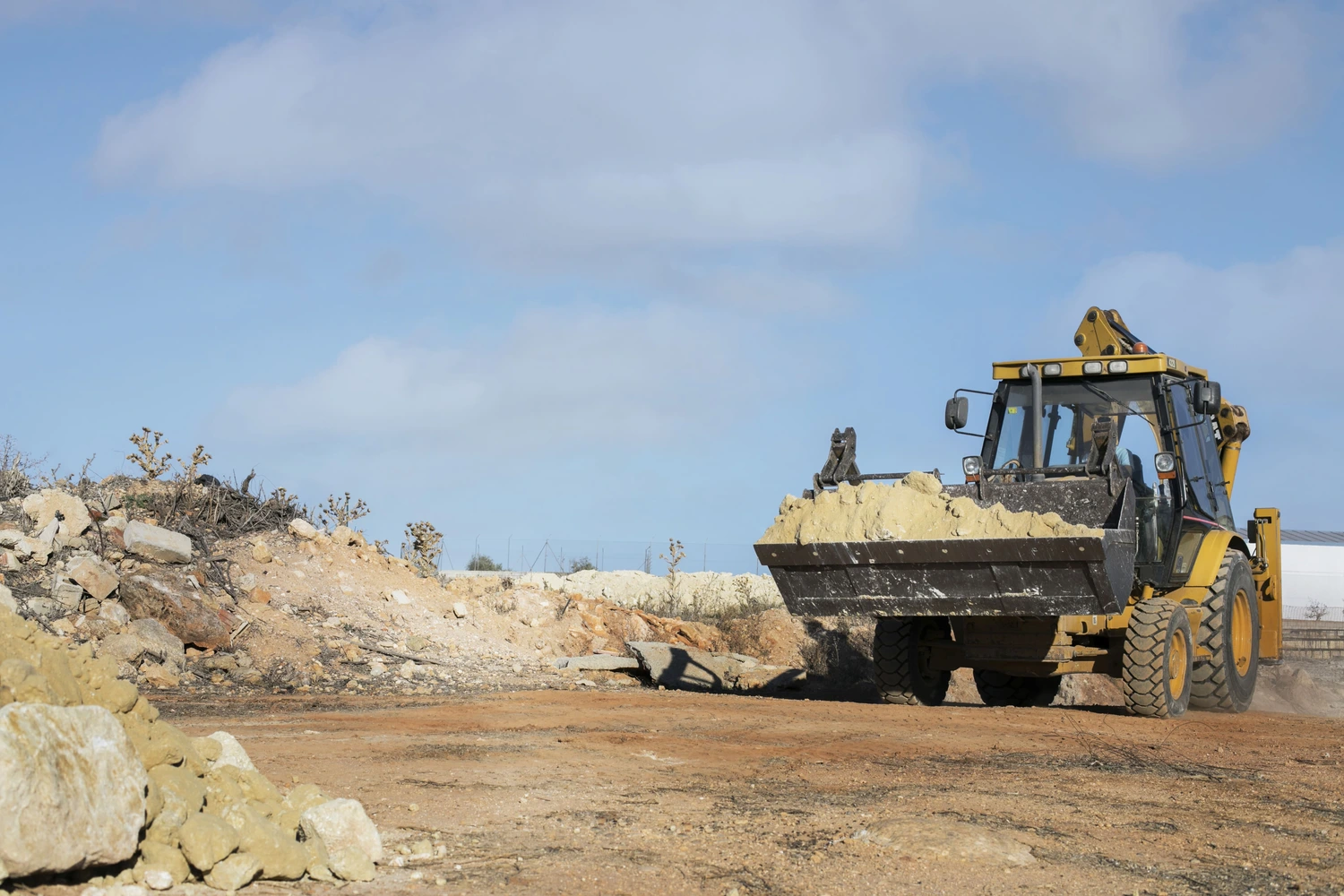
Starting a construction project on the Gold Coast is exciting, but before the slab is poured or the frame goes up, the groundwork matters. Professional site clearing is the first practical step in creating a safe and controlled environment for any build. It removes hidden hazards, improves access, and prepares the land for the next phase with confidence.
Safety is not just about hard hats and signage. It begins with removing unstable trees, buried debris, uneven ground, and overgrown vegetation that can create risks for workers and future occupants. Proper preparation also supports compliance with Queensland regulations and local council requirements.
When done correctly, site clearing sets the tone for the entire project. Professional site clearing in Gold Coast conditions ensures your land is cleared safely, meets local guidelines, and is properly prepared for construction. It’s the smart way to begin any build on stable, hazard-free ground.
Land Clearing Services and Safety
Gold Coast land clearing services specialise in making properties safe and usable. Typical services include:
- Tree and shrub removal: Felling or pruning overgrown or dead plants that could topple or burn easily.
- Stump grinding: Removing tree stumps that are trip hazards or could resprout.
- Debris and rubbish removal: Hauling away branches, roots, rocks, and old structures.
- Grading and levelling: Smoothing uneven ground to prevent water pooling and unstable terrain.
These services remove physical dangers and fire fuel. By clearing excess vegetation and litter, land clearing crews significantly reduce bushfire hazards and trip/fall risks on the site.
Property Clearing for a Safe Site
Property clearing focuses on making residential or commercial land safe and accessible. Professional teams will:
- Clear old structures (sheds, fences, foundations) that could collapse or hide hazards.
- Remove dead or dangerous trees and limbs to prevent them from falling on people or buildings.
- Mow or remove long grass and weeds that can hide holes or fuel fires.
- Level uneven terrain so vehicles and machinery can operate safely.
- Dispose of waste properly (recycling timber, chipping green waste, etc.), avoiding unsightly piles and pest habitat.
On the Gold Coast, many trees and vegetation are protected. Council guidelines note that over 90% of local vegetation is on private land and is regulated to preserve our city’s biodiversity. This means you may need approval to remove large or native trees. Professional contractors handle these permits and ensure clearing meets Gold Coast City Council rules, so you avoid fines or delays.
Site Preparation & Excavation Clearing
Site preparation combines clearing with groundworks. A safe clearing process typically follows these steps:
- Site Assessment: Survey the land to identify obstacles (large trees, boulders) and environmentally sensitive areas (protected vegetation, drainage lines).
- Planning: Decide on clearing methods, order of work and timings (avoiding wet season or nesting season).
- Permits: Arrange approvals from the Gold Coast City Council for any regulated trees or heritage vegetation.
- Clearing: Remove identified vegetation and debris using the right tools (e.g. excavators for heavy clearing, chainsaws for trees).
- Excavation: Dig out necessary areas (foundations, trenches, access roads) and balance the site (cutting high spots and filling low spots).
- Levelling and Drainage: Smooth the land surface and create slopes that direct water safely away from future structures.
- Waste Disposal: Haul away or recycle cleared material (logs, mulch, rubble) to leave the site tidy and environmentally responsible.
Soil Stabilisation for Safe Foundations
After clearing, soil stabilisation may be needed to create a strong, stable base. This involves testing and improving the ground so it can safely bear the load of a building. Typical practices include:
- Compaction: Using rollers or compactors to compress loose soil layers, preventing future settling or foundation cracks.
- Stabilising additives: Mixing in lime, cement or other binders to strengthen very loose or wet soils.
- Drainage controls: Installing erosion-control measures (like geotextile fabric or retaining walls) so cleared slopes don’t wash out in heavy rain.
Proper soil stabilisation protects against uneven settling or landslides. For example, builders often use compacted fill or engineered soils so footings remain level over time. These techniques ensure your foundations and retaining structures stay solid, which greatly enhances long-term safety.
Choosing the Right Site Clearing Contractors
Selecting experienced professionals is key to safe clearing. Look for site clearing contractors who have:
- Local experience: Teams familiar with Gold Coast soils and weather (for instance, knowing when rainstorms are likely).
- Licensing and insurance: Proper licences (e.g. Demolition/Excavation licence) and insurance protect you and the workers.
- Modern equipment: Access to excavators, mulchers, and dump trucks means the job is done quickly and safely.
- Safety records: Contractors with strong safety training and zero-incident histories signal careful work practices.
- Transparent planning: Good operators explain the process, hazards and timelines clearly, keeping you in the loop.
Experienced clearing contractors not only remove hazards safely but also handle logistics such as council approvals and waste disposal. In contrast, DIY clearing (or hiring untrained help) can be risky. Without proper gear and know-how, people can be injured by falling trees, unstable pits or hidden debris. Professional teams minimise these risks with protective gear, spotters, and machinery that keep workers at a safe distance from dangers.
Professional Contractors and Compliance
Hiring experienced site clearing contractors is key to maximising safety benefits. These teams come equipped with the right machinery and training. They also handle the necessary permits and safety paperwork. A contractor will often coordinate the site-specific safety induction required by law and prepare a Safe Work Method Statement for high-risk tasks. This means you’re not left guessing about legal obligations or insurance matters.
Pros bring a checklist mentality. They liaise with local authorities (ensuring any necessary vegetation approvals or development permits are in place) and follow WHS regulations. If you have a development approval, the contractor knows they can clear exactly for the approved building footprint. If there’s any doubt, they can consult the exempt clearing rules.
An experienced site clearing crew also inspects the land for any specialised concerns. For example, if the property has a history of flooding, they might build up the site pad more heavily. If there are rare trees nearby, they’ll carefully work around exclusion zones. Either way, you gain an added layer of protection: professionals understand both the technical and legal safety requirements on the Gold Coast.
Why Professional Clearing Matters
- Expertise: Contractors know how to read a soil report, plan safe excavations, and stabilise tricky soils.
- Equipment: They use modern machinery (bulldozers, excavators, mulchers) that speed up clearing safely, reducing manual risk.
- Compliance: They ensure site clearing meets all council, state and WHS regulations.
- Liability coverage: Licensed contractors carry insurance and follow industry safety standards, protecting you from legal headaches if an accident occurs on site.
In the end, professional site clearing turns a hazardous overgrown lot into a controlled work environment. It’s a proactive investment in safety: less debris to trip on, fewer dead trees to fall, and a carefully planned site that meets all regulatory standards. By taking this step seriously, you greatly reduce the chance of accidents or costly delays later.
Conclusion
Safety on any construction project begins long before the building work starts. Professional land clearing services, careful site preparation, controlled excavation and clearing, and proper soil stabilisation all work together to remove hazards and create a stable foundation. When handled correctly, the risks of unstable ground, hidden debris, falling trees, and erosion are significantly reduced.
On the Gold Coast, compliance with council regulations and safety standards is just as important as physical preparation. Experienced site clearing contractors understand local conditions, environmental responsibilities, and construction requirements. By investing in professional property clearing, you protect workers, safeguard your investment, and ensure your project progresses without unnecessary delays.
If you’re planning a build, trust our experienced team to deliver safe, compliant, and efficient solutions tailored to your project. From land clearing services to full site preparation, we handle every stage with precision and care. Contact us today to discuss your project and get started with confidence.
FAQs:
-
How much does site clearing cost on the Gold Coast?
Costs vary widely. Small residential blocks with light vegetation might only cost a few hundred dollars, while large commercial sites (heavily wooded or extensive areas) can run into the thousands. Factors include access difficulty, vegetation density and disposal fees. Ask contractors for a detailed quote to fit your project size.
-
Do I need a permit for site clearing in the Gold Coast?
In many cases, yes. If you plan to remove large trees, native plants or significant vegetation, Gold Coast City Council usually requires approval. It’s wise to check local regulations before you start. Professional site-clearing companies often handle this for you as part of their services.
-
Can I clear the site myself?
You can do small, simple jobs yourself (like mowing grass or pulling weeds). However, for large, sloped or hazard-filled sites, hiring professionals is safer. Trained contractors use the right machinery and safety gear to handle big trees, heavy brush and stumps. They also know how to protect the environment and nearby structures during clearing.


 0461 514 126
 louis@safewaydemo.au
 Gold Coast, QLD