Excavation plays a critical role in construction projects, forming the foundation for everything from residential homes to commercial developments. For builders on the Gold Coast, following best practices for excavation services ensures safety, efficiency, and long-lasting results. Understanding the key steps, tools, and regulations can make a significant difference in the outcome of any project.
In this guide, we will explore the essential best practices for excavation services, tips for selecting the right contractor, safety protocols, environmental considerations, and frequently asked questions to help builders make informed decisions.
Understanding the Role of Excavation Services
Excavation services involve the removal of soil, rock, or other materials from a site to prepare it for construction. Whether you are building a new home, installing a swimming pool, or starting a commercial project, excavation forms the foundation of your work.
Gold Coast builders face unique challenges due to the region’s sandy soils, high water tables, and variable weather conditions. Therefore, engaging professional excavation services ensures that the site is prepared accurately, minimizing potential delays or structural issues later in the project.
Best Practices for Effective Excavation
To get the most out of excavation services, builders should follow these core best practices:
1. Conduct a Thorough Site Assessment
Before any digging begins, perform a detailed site assessment. Consider:
-
Soil type: Sandy soils drain quickly, while clay retains water.
-
Topography: Identify slopes, drainage patterns, and potential erosion risks.
-
Utility lines: Check for underground electricity, gas, or water lines.
-
Environmental restrictions: Assess vegetation, wetlands, or protected areas.
A proper site assessment ensures the excavation services team can plan accurately and avoid costly mistakes.
2. Plan Your Excavation Project
A well-structured plan is essential for safe and efficient excavation services. This includes:
-
Defining project scope and timelines.
-
Identifying required machinery and equipment.
-
Allocating resources for safety and supervision.
-
Establishing proper disposal methods for excavated material.
Effective planning reduces downtime and ensures that the project meets both budget and regulatory requirements.
3. Hire Qualified Excavation Services
Selecting the right contractor is crucial. Builders should:
-
Verify licenses and certifications.
-
Check past projects and client reviews.
-
Ensure they have the necessary equipment for the project scale.
-
Confirm adherence to safety and environmental standards.
Working with experienced excavation services providers guarantees reliable performance and minimizes the risk of accidents or structural issues.
4. Prioritize Safety Measures
Excavation sites can be hazardous. Implementing strict safety protocols is essential for excavation services. Best practices include:
-
Installing temporary barriers and warning signs.
-
Using proper protective equipment for workers.
-
Conducting regular site inspections.
-
Monitoring weather conditions and soil stability.
-
Ensuring machinery is well-maintained and operated by trained personnel.
A safety-first approach protects workers and reduces liability for builders.
5. Use Appropriate Machinery and Equipment
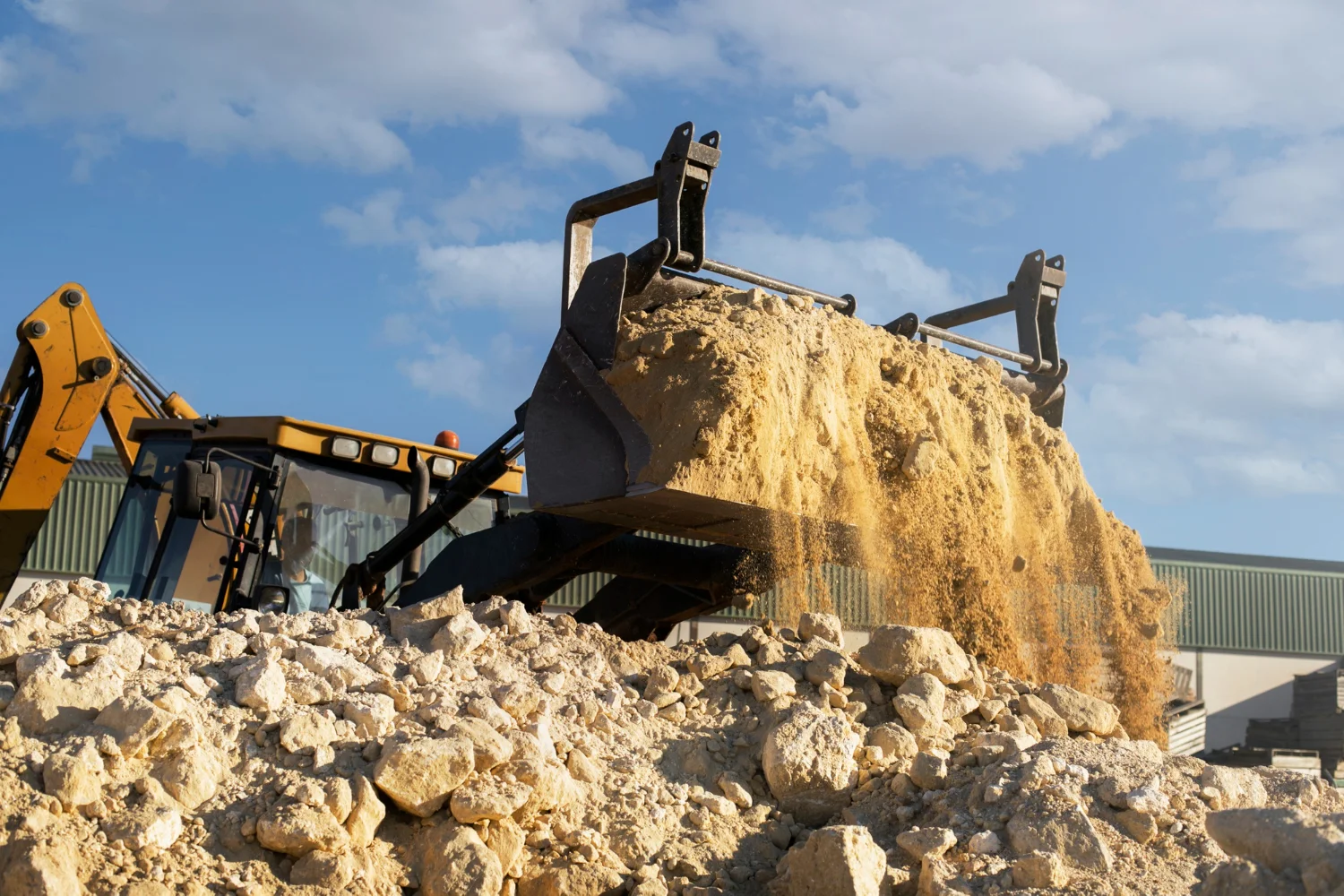
Different projects require different equipment. Excavation services providers should select machinery that fits the site conditions and project scale. Common equipment includes:
-
Backhoes and excavators for medium-to-large projects.
-
Mini-excavators for residential and confined spaces.
-
Dump trucks for soil removal and transport.
-
Compactors to ensure a stable base after excavation.
Using the right tools ensures precision and efficiency, saving both time and money.
6. Consider Environmental Impact
Sustainable practices are increasingly important in construction. Builders should work with excavation services providers who prioritize environmentally responsible methods, such as:
-
Proper disposal or recycling of excavated material.
-
Minimizing disruption to local flora and fauna.
-
Erosion control measures to protect surrounding areas.
-
Water management to prevent runoff or soil contamination.
For authoritative guidance on sustainable construction practices, the Australian Government Department of Agriculture, Water and the Environment provides detailed resources on site management and environmental compliance.
7. Maintain Clear Communication
Clear communication between builders, excavation contractors, and other stakeholders is critical. Best practices include:
-
Setting regular progress updates.
-
Addressing unforeseen issues promptly.
-
Documenting site conditions and any changes to the plan.
-
Coordinating with local authorities for permits and inspections.
Effective communication reduces errors and ensures excavation services are executed smoothly.
8. Monitor and Inspect the Site
Regular monitoring ensures the excavation process meets standards. Builders should:
-
Inspect trench depths and slopes.
-
Check soil compaction and stability.
-
Ensure that protective measures are intact.
-
Confirm that equipment is functioning properly.
Ongoing oversight guarantees that any potential issues are resolved before they impact the project.
9. Embrace Technology for Precision Excavation
Modern technology has transformed how excavation services are delivered. Builders can now leverage GPS-guided machinery, laser grading, and 3D modeling to increase accuracy and efficiency. These tools help ensure excavation is performed to exact specifications, reducing material wastage and rework. Using digital site plans allows contractors to visualize the project before digging begins, identifying potential challenges in advance. For Gold Coast builders, technology also aids in managing projects in challenging terrain, including sandy soils and areas with high water tables.
10. Post-Excavation Maintenance and Site Preparation
After excavation, proper site preparation is crucial for the next construction phase. Builders should inspect the site for any remaining debris, uneven soil, or erosion risks. Excavation services teams often provide compaction and grading services to create a stable, level surface suitable for foundations or landscaping. Applying erosion control measures, such as silt fences or temporary ground covers, ensures the site remains safe during subsequent construction activities. Regular maintenance checks during the early stages of construction prevent long-term issues and ensure that the benefits of professional excavation are fully realized.
11. Collaborate with Other Trades
Successful excavation projects often require coordination with other trades, including plumbers, electricians, and landscapers. Early collaboration ensures trenches and foundations are positioned correctly for utilities, drainage, and irrigation. Working closely with other contractors reduces delays and ensures that excavation services integrate seamlessly with the overall construction plan. Clear communication and joint planning also improve safety on-site, minimizing the risk of conflicts or errors.
Maximizing Your Excavation Services Results
Following best practices for excavation services allows Gold Coast builders to complete projects safely, efficiently, and sustainably. From thorough site assessments and proper planning to selecting qualified contractors and prioritizing safety, every step contributes to project success. By implementing these practices and maintaining clear communication, builders can ensure that their excavation work forms a solid, reliable foundation for any construction project.
Adhering to environmentally responsible practices and consulting authoritative resources further enhances project quality and protects the Gold Coast’s unique landscapes.
Professional excavation services are not just a necessity—they are an investment in the long-term success, safety, and sustainability of every build.
FAQs: Excavation Services Gold Coast
-
What types of excavation services are available?
Excavation services include site clearing, trenching, grading, foundation digging, pool excavation, and rock removal.
-
How do I choose the best excavation contractor?
Look for licensed professionals with experience, positive reviews, proper equipment, and adherence to safety and environmental standards.
-
How long does an excavation project take?
Duration depends on site size, soil type, weather, and complexity. Small residential projects may take 1–3 days, while larger commercial projects can take weeks.

The jollyphlogin process is actually painless, which is a huge plus. No annoying verification hoops to jump through. Thumbs up! jollyphlogin
Was a bit skeptical at first, but km88legit seems legit. Payouts are quick, which is the most important thing. km88legit
km88login is super straightforward. No hassle logging in, and that’s always appreciated. Gets you in and playing fast. km88login
Hey everyone, ready to sign up for BHT Club? Hit this link to get the register process started: bhtclubregister
Another login link for BHT Club? Guess it doesn’t hurt to have options! Give it a shot if the main one is down: bhtclubgamelogin1
Trying to get *in* to BHT Club? This link claims to be where the action is: bhtclubin