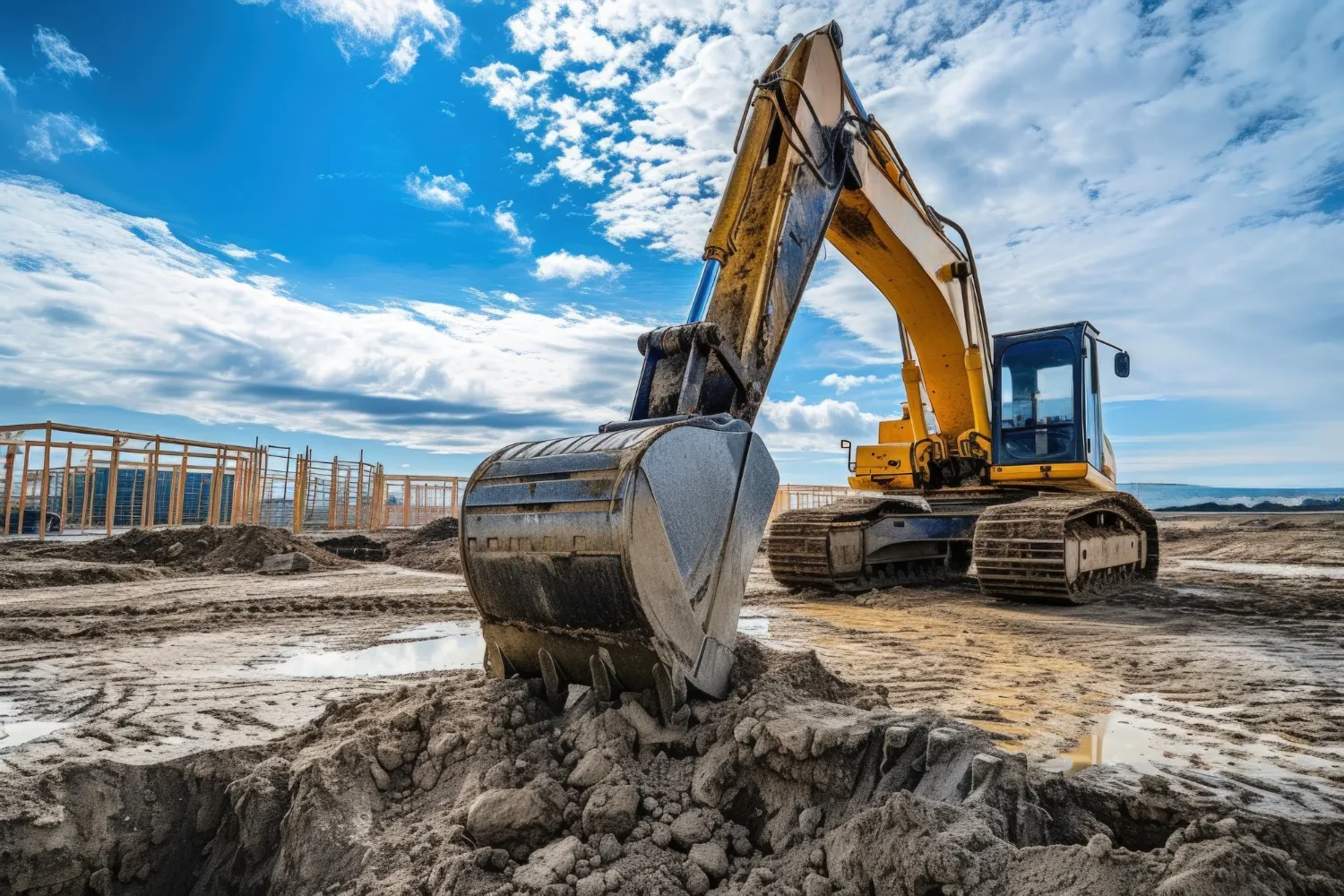
Construction and development projects on the Gold Coast demand more than speed and efficiency—they require a strong focus on safety. From residential builds to large commercial developments, ground preparation is one of the most hazardous phases of any project. This is where professional Excavation Services play a critical role in reducing risk, protecting workers, and ensuring compliance with Australian safety standards.
This article explores how expert excavation work directly improves project safety, why local knowledge matters, and how proper planning and execution can prevent costly and dangerous mistakes.
Why Excavation Is One of the Most High-Risk Construction Stages
Excavation involves working below ground level, disturbing soil structures, and operating heavy machinery—often simultaneously. Without the right processes, risks can include:
-
Trench collapses
-
Underground service strikes
-
Equipment rollovers
-
Worker falls
-
Flooding and soil instability
Professional Excavation Services address these hazards systematically rather than reactively, ensuring safety is built into every stage of the project.
Site Assessment: The Foundation of Safe Excavation
Before machinery reaches the site, safety begins with detailed assessment. Experienced Excavation Services on the Gold Coast conduct thorough evaluations that include:
-
Soil classification and stability testing
-
Identification of underground utilities
-
Drainage and water table analysis
-
Environmental and slope risk assessment
This planning phase significantly reduces the chance of unexpected site conditions causing accidents or delays.
Local Knowledge Improves Safety Outcomes
The Gold Coast presents unique challenges such as sandy soils, high water tables, and coastal weather patterns. Contractors unfamiliar with these conditions may underestimate risk.
Local Excavation Services understand how regional soil types behave under load and moisture changes, allowing them to select safer excavation methods and equipment for each site.
Proper Equipment Selection and Handling
Not all excavation equipment is suitable for every site. Using machinery that is too large, unstable, or inappropriate increases accident risk.
Professional Excavation Services ensure:
-
Machinery is suited to site size and soil conditions
-
Equipment is well maintained and compliant
-
Operators are trained and licensed
-
Safe operating distances are enforced
This reduces rollover incidents, equipment failure, and worker injury.
Trench and Ground Support Systems
Trench collapses are one of the leading causes of serious injury in excavation work. To prevent this, professional Excavation Services implement engineered support systems such as:
-
Shoring
-
Benching
-
Battering
-
Shielding systems
These controls stabilize soil walls and protect workers operating below ground level.
Compliance With Australian Safety Standards
Australian excavation safety is governed by strict regulations. Reputable contractors stay updated on legal requirements and best practices.
For authoritative national guidance on excavation and trench safety, Safe Work Australia provides comprehensive standards and compliance resources.
Professional Excavation Services align their procedures with these guidelines, reducing legal, financial, and physical risk for all parties involved.
Risk Mitigation Through Traffic and Access Control
Excavation sites often involve multiple trades working in close proximity. Without clear access planning, collisions and injuries can occur.
Experienced Excavation Services implement:
-
Clearly marked exclusion zones
-
Pedestrian separation
-
Spotters for machinery movement
-
Safe entry and exit points
These controls reduce interaction risks between workers and heavy equipment.
Preventing Utility Strikes and Service Damage
Hitting underground services such as gas, water, or electrical lines can result in serious injury and project shutdowns.
Professional Excavation Services use:
-
Service location plans
-
Dial-before-you-dig systems
-
Non-destructive digging where required
This proactive approach protects workers and surrounding infrastructure.
Weather Management and Environmental Safety
Gold Coast weather can change rapidly, increasing risks such as water ingress or soil movement. Skilled Excavation Services plan around weather forecasts and install drainage or dewatering systems as needed.
Managing environmental factors helps prevent trench flooding, erosion, and structural instability.
Improved Communication and Site Coordination
Clear communication is essential for safety. Professional Excavation Services coordinate closely with builders, engineers, and site supervisors to ensure everyone understands:
-
Excavation boundaries
-
Hazard zones
-
Daily work plans
-
Emergency procedures
This reduces confusion and unsafe assumptions on site.
Reduced Rework and Structural Failure
Poor excavation can compromise foundations, leading to structural issues and future safety risks. Accurate digging, leveling, and compaction are essential.
By using precise methods, professional Excavation Services help ensure foundations meet engineering specifications, reducing long-term structural risk.
Training and Experience Matter
Safety is not just about equipment—it’s about people. Skilled teams understand hazard recognition and risk control.
Licensed Excavation Services invest in:
-
Operator training
-
Safety inductions
-
Toolbox talks
-
Ongoing compliance education
This creates a culture of safety rather than a checklist approach.
Long-Term Safety Beyond Construction
Safe excavation impacts more than the build phase. Proper groundwork supports long-term stability, drainage, and load-bearing capacity.
Quality Excavation Services contribute to safer buildings, reduced maintenance issues, and fewer future repairs.
Proactive Safety Planning Reduces Delays and Liability
Another major safety advantage comes from proactive planning that anticipates risks before work begins. When excavation is approached strategically, hazards are addressed early rather than corrected after incidents occur. This forward-thinking approach not only protects workers but also reduces delays that often result from safety breaches, inspections, or stop-work notices.
Clear documentation such as safe work method statements (SWMS), risk assessments, and site-specific safety plans ensures that everyone involved understands their responsibilities. When workers know exactly where hazards exist and how they are controlled, the likelihood of unsafe behavior decreases significantly. This clarity also helps site managers respond quickly if conditions change.
From a legal perspective, proactive safety planning reduces liability exposure. Accidents can lead to costly claims, project shutdowns, and reputational damage. Demonstrating that appropriate controls were identified and implemented shows due diligence and compliance with workplace health and safety laws.
Well-planned excavation also improves scheduling reliability. When safety risks are managed effectively, work progresses without unexpected interruptions caused by collapses, service strikes, or equipment incidents. This consistency benefits not only contractors but also developers, engineers, and clients relying on accurate timelines.
Ultimately, projects that prioritise safety from the planning stage experience fewer incidents, stronger teamwork, and better outcomes. A structured, safety-first excavation process creates a stable foundation not just for construction—but for the success of the entire project lifecycle.
Smarter Construction Starts With Safer Groundwork
Safety in construction begins below the surface. By engaging professional Excavation Services on the Gold Coast, project owners reduce risk, protect workers, and ensure every stage of development rests on a secure foundation.
From planning and compliance to execution and long-term stability, safe excavation is not optional—it is essential.
Frequently Asked Questions (FAQs)
-
Why is excavation considered a high-risk activity?
It involves unstable ground, heavy machinery, and underground hazards that can cause serious injury if unmanaged.
-
How do professional contractors improve excavation safety?
They assess risks early, use proper support systems, and follow strict safety regulations.
-
Does local experience on the Gold Coast matter?
Yes. Local soil and weather conditions significantly affect excavation safety and planning.
