
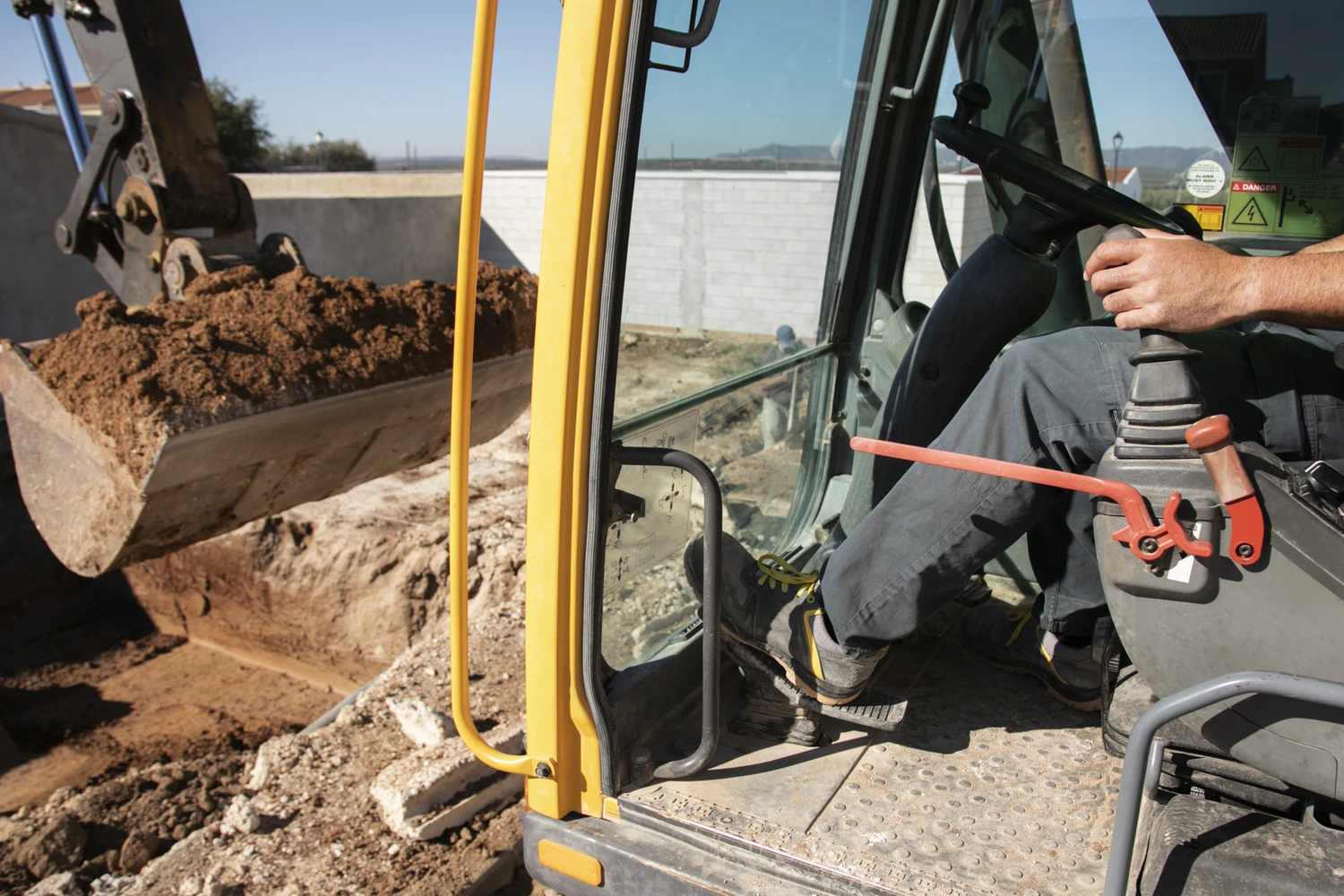
Planning pool excavation properly is one of the most important early steps in any swimming pool project. Careful preparation helps ensure smoother progress, safer working conditions, and a final result that aligns with long-term outdoor goals. While design and landscaping often capture attention first, the groundwork established during pool excavation shapes structural stability and usability for years to come.
A clear plan encourages better coordination between property owners, designers, and contractors. When expectations are aligned from the beginning, pool excavation tends to move forward with fewer surprises. This proactive mindset helps maintain momentum while supporting quality workmanship throughout the project lifecycle.
Understanding Scope and Project Objectives
Defining project scope is essential before starting pool excavation. This means clarifying pool size, depth expectations, surrounding landscaping ideas, and any additional outdoor features planned for the future. Well-documented objectives help all stakeholders stay aligned and reduce miscommunication.
Site assessments also guide effective pool excavation planning. Professionals typically evaluate ground slope, soil stability, drainage pathways, and nearby structures. This information supports informed decisions and helps prevent avoidable complications during later construction stages.
Site Preparation and Accessibility
Thorough preparation significantly improves how smoothly pool excavation progresses. Access routes for machinery, removal of obstacles, and stabilisation of nearby surfaces all contribute to safer operations. A prepared site allows equipment operators to work efficiently while protecting surrounding property features.
Another important aspect involves identifying underground utilities and boundary considerations before pool excavation begins. Addressing these elements early helps maintain an uninterrupted workflow and promotes a safer environment for everyone involved.
Soil Conditions, Terrain, and Drainage
Ground composition plays a major role in shaping pool excavation strategies. Sandy areas, compact clay zones, or rocky sections each require specific handling techniques. Understanding soil characteristics early supports proper planning and helps maintain structural integrity once the pool is completed.
Drainage planning is equally important during pool excavation. Effective water management helps stabilise the surrounding soil and prevents long-term structural issues. Considering natural water flow patterns also supports sustainable landscaping integration.
Regulations, Standards, and Official Guidance
Compliance with planning standards ensures responsible pool excavation practices. Environmental considerations, safety protocols, and development approvals often guide how excavation projects are approached. Reviewing authoritative guidance before work begins helps maintain regulatory alignment and environmental awareness.
For official planning information and development guidance, you can visit the
Australian Government website.
Consulting credible sources before pool excavation starts helps ensure adherence to best practices while supporting safe and environmentally responsible development.
Equipment Selection and Coordination
Choosing suitable machinery is an important factor in successful pool excavation. Equipment selection typically depends on terrain conditions, excavation depth, and accessibility of the site. Appropriate machinery helps maintain efficiency while minimising unnecessary ground disturbance.
Clear coordination between operators, planners, and contractors enhances pool excavation efficiency. Structured communication reduces delays, supports safety measures, and ensures consistent progress throughout the project timeline.
Timing, Weather, and Seasonal Awareness
Environmental conditions can influence how effectively the pool excavation proceeds. Soil moisture levels, temperature patterns, and seasonal weather cycles all play a role in excavation stability. Planning with these factors in mind often supports smoother operations.
Flexibility is also valuable during pool excavation scheduling. Monitoring forecasts and adjusting plans when necessary helps maintain safety while preserving project momentum.
Environmental Responsibility During Excavation
Sustainable thinking is increasingly important in modern pool excavation practices. Responsible soil handling, dust management, and vegetation protection help maintain ecological balance around the site. These measures also support positive relationships with neighbouring properties.
Thoughtful environmental planning during pool excavation contributes to long-term landscape health and aligns with broader sustainability goals.
Safety Considerations and Risk Awareness
Safety planning remains essential throughout pool excavation activities. Protective barriers, regular equipment checks, and clear communication protocols help safeguard workers, residents, and nearby structures.
When safety measures are consistently applied, pool excavation can progress confidently while maintaining productivity. Structured oversight helps identify potential hazards early and supports timely preventive action.
Long-Term Performance and Project Vision
A forward-looking approach ensures pool excavation contributes to lasting performance. Proper shaping of the excavation area, reinforcement preparation, and drainage integration all support durability and functionality.
When pool excavation aligns with landscaping plans and overall outdoor design goals, the finished pool environment tends to perform better over time. Careful groundwork ultimately supports both structural reliability and visual appeal.
Planning Considerations for a Smooth Project
Beyond technical preparation, thoughtful coordination with everyone involved can significantly improve the overall experience of a pool construction project. Early discussions with designers, engineers, and site specialists help ensure expectations stay realistic and aligned. When communication flows clearly, decisions tend to be more confident, and delays are less likely to occur.
Landscape integration is another important aspect to consider. Planning surrounding greenery, walkways, lighting, and outdoor seating areas at the same time as initial groundwork helps create a cohesive environment. This forward-thinking approach supports visual harmony and functional outdoor living once the pool area is completed. Considering shade, privacy, and drainage together often leads to better long-term satisfaction.
Documentation also plays a valuable role in keeping projects organised. Maintaining records of approvals, design plans, soil reports, and construction notes helps ensure transparency throughout development. Organised documentation makes future upgrades, maintenance, or property changes easier because accurate information is readily available.
Technology has increasingly enhanced planning accuracy as well. Digital terrain modelling, drone site surveys, and advanced measurement tools allow professionals to understand ground conditions more precisely. These innovations support better design alignment and reduce uncertainties that might otherwise arise during construction stages.
Community awareness can further contribute to a positive experience. Informing nearby residents about project timelines and general activity expectations promotes goodwill and helps minimise misunderstandings. Respectful communication with neighbours often makes the construction period smoother for everyone involved.
Finally, flexibility remains essential. Outdoor projects sometimes encounter unexpected environmental changes or minor technical adjustments. A calm, adaptable mindset helps maintain progress without unnecessary stress. By combining preparation, communication, environmental awareness, and patience, property owners can create an outdoor space that delivers lasting enjoyment and practical value well into the future.
Conclusion
Successful pool projects often begin with thoughtful pool excavation planning. Clear objectives, strong communication, environmental awareness, and adherence to official guidelines all contribute to positive outcomes. By focusing on preparation and informed decision-making, property owners can create a strong foundation for their future swimming pool while supporting safety, efficiency, and long-term performance.
FAQs:
-
Why is early site evaluation important?
It helps identify terrain characteristics, drainage patterns, and access needs before construction begins.
-
What environmental factors should be considered?
Weather patterns, soil stability, vegetation protection, and drainage management are key considerations.
-
How does communication improve project outcomes?
Clear updates among stakeholders help prevent misunderstandings and keep expectations aligned.
