The Gold Coast is experiencing continuous growth, with ageing structures being replaced by modern residential, commercial, and infrastructure developments. In this transformation process, Concrete Demolition plays a vital role by ensuring outdated or unsafe concrete structures are removed efficiently and responsibly. Selecting the right demolition method can significantly impact safety, project timelines, and environmental outcomes.
This article explores the most widely used demolition techniques on the Gold Coast, explains where each method is best applied, and helps property owners and developers make informed, confident decisions.
Understanding Demolition Needs on the Gold Coast
Every Concrete Demolition project on the Gold Coast is influenced by coastal conditions, local council regulations, nearby properties, and environmental responsibilities. Urban density and mixed-use developments often require precision rather than brute force, making method selection critical.
Professional planning ensures minimal disruption, regulatory compliance, and efficient site preparation for future construction.
1. Mechanical Demolition
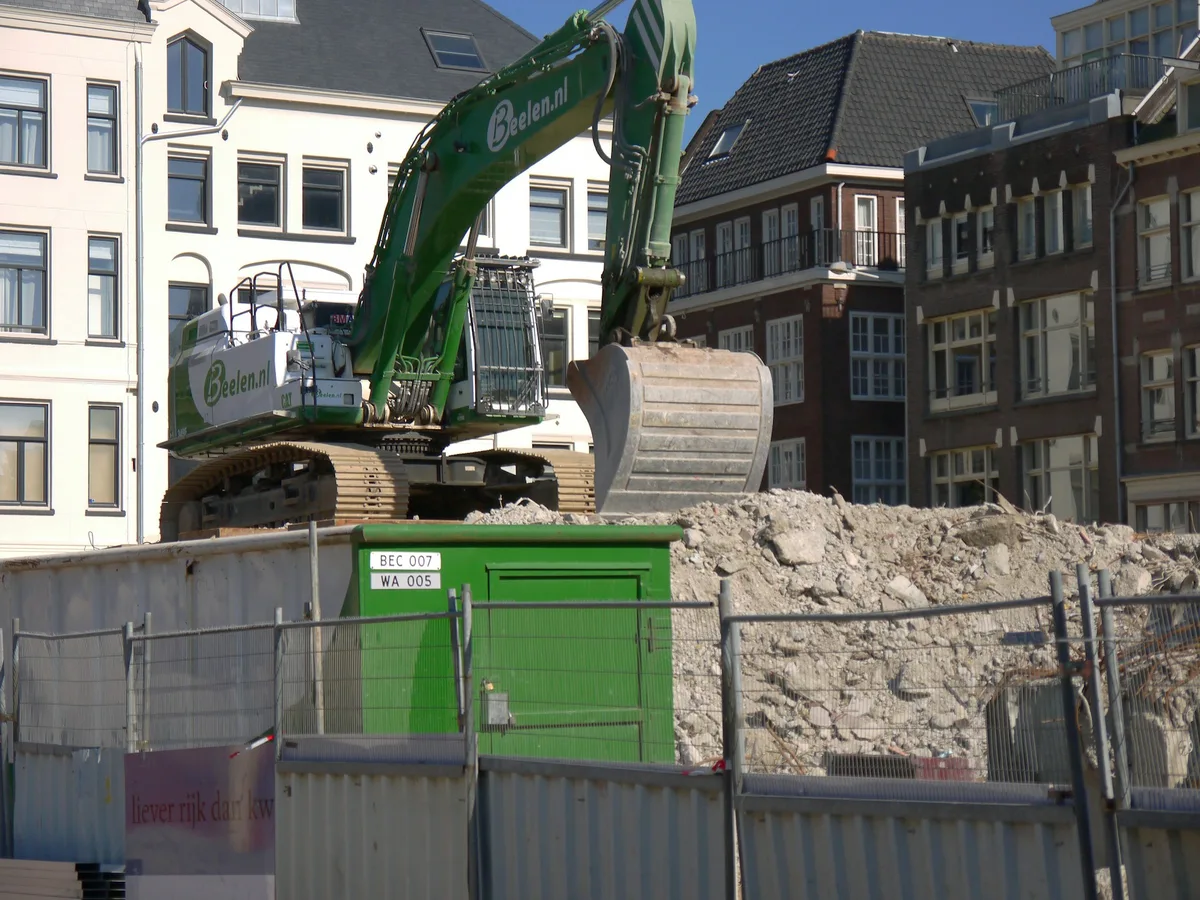
Mechanical equipment is the most common solution for large-scale Concrete Demolition projects. Excavators fitted with hydraulic breakers or rock hammers are used to fracture and remove concrete quickly.
Best suited for:
-
Driveways and slabs
-
Foundations
-
Large commercial structures
Advantages:
-
Fast execution
-
Cost-effective for bulk removal
-
Ideal for open-access sites
Noise and vibration management is essential, especially in residential areas.
2. Hydraulic Crushing and Pulverising
Hydraulic crushers apply immense pressure to break concrete cleanly, making this Concrete Demolition method ideal for controlled environments.
Why it’s effective:
-
Reduced dust and vibration
-
Precise removal near adjacent structures
-
Allows steel reinforcement separation
This technique supports recycling and sustainable construction goals.
3. Saw Cutting and Sectional Removal
Saw cutting is a precision-focused Concrete Demolition approach using diamond-blade equipment to create clean, defined cuts.
Common applications:
-
Partial slab removal
-
Structural alterations
-
Renovation projects
It’s particularly valuable when preserving surrounding materials is critical.
4. Concrete Core Drilling
Concrete core drilling is a specialised Concrete Demolition technique designed to create exact openings without damaging surrounding structures.
Used for:
-
Plumbing access
-
Electrical conduits
-
Ventilation systems
It’s low-noise, low-vibration, and suitable for occupied buildings.
5. Chemical Demolition Using Expansive Agents
Chemical methods rely on expanding compounds that fracture concrete internally, making this Concrete Demolition solution ideal for sensitive environments.
Best for:
-
Tight access areas
-
Noise-restricted zones
-
Structural precision work
Although slower, it offers exceptional control and safety.
6. Manual Demolition Techniques
Manual tools such as jackhammers are still used in small-scale Concrete Demolition projects where machinery cannot operate.
Ideal for:
-
Interior spaces
-
Detail work
-
Minor concrete removal
While labour-intensive, it allows for high accuracy.
Safety and Regulatory Compliance
Safety is non-negotiable in every Concrete Demolition project. Contractors must follow strict workplace standards, including protective equipment, dust suppression, and operator training.
For authoritative safety guidelines and legal requirements, consult Safe Work Australia, a trusted government resource.
Compliance protects workers, property owners, and surrounding communities.
Environmental Responsibility and Recycling
Modern Concrete Demolition prioritises sustainability. Most removed concrete is crushed and repurposed for road base, drainage layers, or landscaping materials.
Environmental benefits include:
-
Reduced landfill waste
-
Lower material costs
-
Support for eco-friendly development
Recycling is strongly encouraged by Gold Coast councils.
Choosing the Right Demolition Method
The most effective Concrete Demolition approach depends on:
-
Project size and scope
-
Site accessibility
-
Structural complexity
-
Budget and timeline
Professional assessments ensure the safest and most efficient outcome.
Why Professional Services Matter
Attempting Concrete Demolition without expertise can lead to safety hazards, delays, and regulatory penalties. Licensed contractors bring experience, specialised equipment, and compliance knowledge.
Professional services also streamline waste removal and site preparation.
Industry Trends on the Gold Coast
Technological advances continue to reshape Concrete Demolition, with growing emphasis on quieter machinery, precision tools, and reduced environmental impact.
These innovations support sustainable urban development while minimising disruption.
Project Planning and Site Preparation on the Gold Coast
Successful structural removal begins long before any equipment arrives on site. Thorough planning and preparation are essential to avoid delays, safety risks, and unexpected costs. On the Gold Coast, this process is especially important due to coastal soil conditions, variable weather, and proximity to neighbouring properties.
Site assessments typically involve checking ground stability, identifying underground services, and reviewing access points for machinery or tools. These early inspections help determine whether heavy equipment, precision cutting, or low-impact methods are most appropriate. Careful planning also reduces the likelihood of damaging nearby structures, utilities, or landscaping.
Weather considerations play a major role in local projects. Heavy rainfall can affect soil stability and site access, while strong coastal winds may increase dust risks. Experienced contractors factor these conditions into scheduling to maintain safety and efficiency throughout the job.
Communication is another key component. Informing neighbours, coordinating with local authorities, and setting clear timelines helps minimise disruption. For commercial or multi-residential sites, staged removal is often used to allow other construction activities to continue without interruption.
Waste management planning is equally important. Sorting materials on-site improves recycling rates and reduces disposal costs. Concrete, steel, and other reusable materials can be processed efficiently when separation is planned in advance.
Ultimately, proper preparation ensures smoother execution, fewer surprises, and better outcomes. By investing time in planning, property owners and developers can achieve faster project completion, improved safety standards, and greater long-term value for future construction on the Gold Coast.
From Removal to Redevelopment: What to Know
The Gold Coast’s rapid growth demands smarter, safer, and more efficient approaches to structural removal. From large-scale mechanical techniques to highly controlled chemical and precision cutting solutions, today’s demolition practices are designed to meet modern construction challenges while minimising disruption to surrounding properties.
Choosing the right method is not just about speed—it’s about protecting nearby structures, ensuring worker safety, complying with local regulations, and supporting sustainable waste management. Each project presents unique site conditions, which is why professional assessment and planning are essential before any work begins.
By understanding the available methods and their applications, property owners, builders, and developers can make confident decisions that lead to smoother project execution and better long-term outcomes. When handled correctly, concrete removal becomes a seamless first step toward successful redevelopment on the Gold Coast.
Frequently Asked Questions (FAQs)
-
How much does concrete removal cost on the Gold Coast?
Costs vary based on slab thickness, access, and method used. Smaller residential jobs may cost less, while large commercial projects require specialised equipment and planning.
-
Do I need council approval before starting demolition work?
In most cases, yes. Approval requirements depend on the structure, location, and scope of work. Licensed contractors usually handle permits and compliance.
-
How long does a typical demolition project take?
Small projects can be completed within a day, while larger or more complex sites may take several days depending on weather and site conditions.
