Asbestos abatement is not just a technical task. On the Gold Coast, it is a legal and health responsibility that demands planning, control, and precision. When done correctly, it protects workers, homeowners, neighbours, and the environment.
Many homes and commercial buildings across the Gold Coast were built before asbestos was banned in Australia. That means this material still exists in roofing sheets, wall linings, fencing, floor tiles, and even contaminated soil. If disturbed without control, fibres become airborne and pose serious health risks.
This is why professional asbestos removal services follow a strict process. Contractors do not treat asbestos as a side issue during demolition. They manage it through licensed asbestos removal teams, clear safety systems, and compliance with asbestos abatement regulations from start to finish.
Why Asbestos Removal Services Matter
The Gold Coast is continuing to develop. Knockdown rebuilds, commercial upgrades, and industrial redevelopments are common. But older properties often contain asbestos-containing materials that cannot be ignored.
When asbestos fibres are inhaled, they can remain in the lungs for years. Diseases linked to exposure may not appear immediately. Because of this long-term risk, asbestos abatement must be handled before any structural demolition begins.
Professional contractors approach asbestos removal services as a controlled operation. They inspect, test, plan, and isolate the area; nothing starts without confirmation.
Licensed Asbestos Removal Process
Licensed asbestos removal is required under Queensland law for most asbestos-related work. Contractors must hold the correct licence class depending on whether the material is friable or non-friable.
The process usually begins with site assessment and sampling. Suspected materials are sent for laboratory testing. Once confirmed, the contractor prepares a removal control plan outlining equipment, containment methods, and disposal procedures.
After isolation is established, trained workers remove the asbestos carefully using approved tools and methods that minimise dust. Materials are sealed, labelled, and prepared for certified asbestos disposal services. Every step is recorded, and documentation protects property owners and ensures compliance with asbestos abatement regulations.
Understanding Asbestos Abatement Regulations
Asbestos abatement regulations in Queensland are detailed and strictly enforced. Contractors must comply with the Work Health and Safety Regulation 2011 and the national codes of practice issued by Safe Work Australia.
These regulations require proper licensing, risk assessments, training certification, and safe waste transport. Contractors must also notify authorities in certain high-risk removal situations. Failure to comply can result in fines, site shutdowns, and legal action. That is why experienced demolition specialists prioritise regulatory compliance from the first inspection to final clearance.
For property owners, working with licensed asbestos removal professionals removes uncertainty. The contractor manages both safety and legal obligations.
Asbestos Removal Services Site Assessment
Before asbestos abatement begins, contractors conduct a thorough inspection of the property. They examine the material type, condition, accessibility, and the surrounding environment. Damaged or friable asbestos requires stricter controls compared to intact bonded sheets.
Risk assessments determine whether air monitoring will be needed. In busy residential areas of the Gold Coast, careful planning prevents fibre migration into neighbouring homes. Professional asbestos removal services never skip this stage. Accurate assessment sets the foundation for safe removal.
Containment and Safety Measures
Containment separates trained professionals from unsafe operators. Once asbestos is confirmed, the work zone is sealed and controlled. Key Containment Practices
- Installing temporary barriers and exclusion zones
- Sealing vents and structural openings
- Using negative air pressure systems where required
- Displaying warning signage around the site
- Restricting access to authorised personnel only
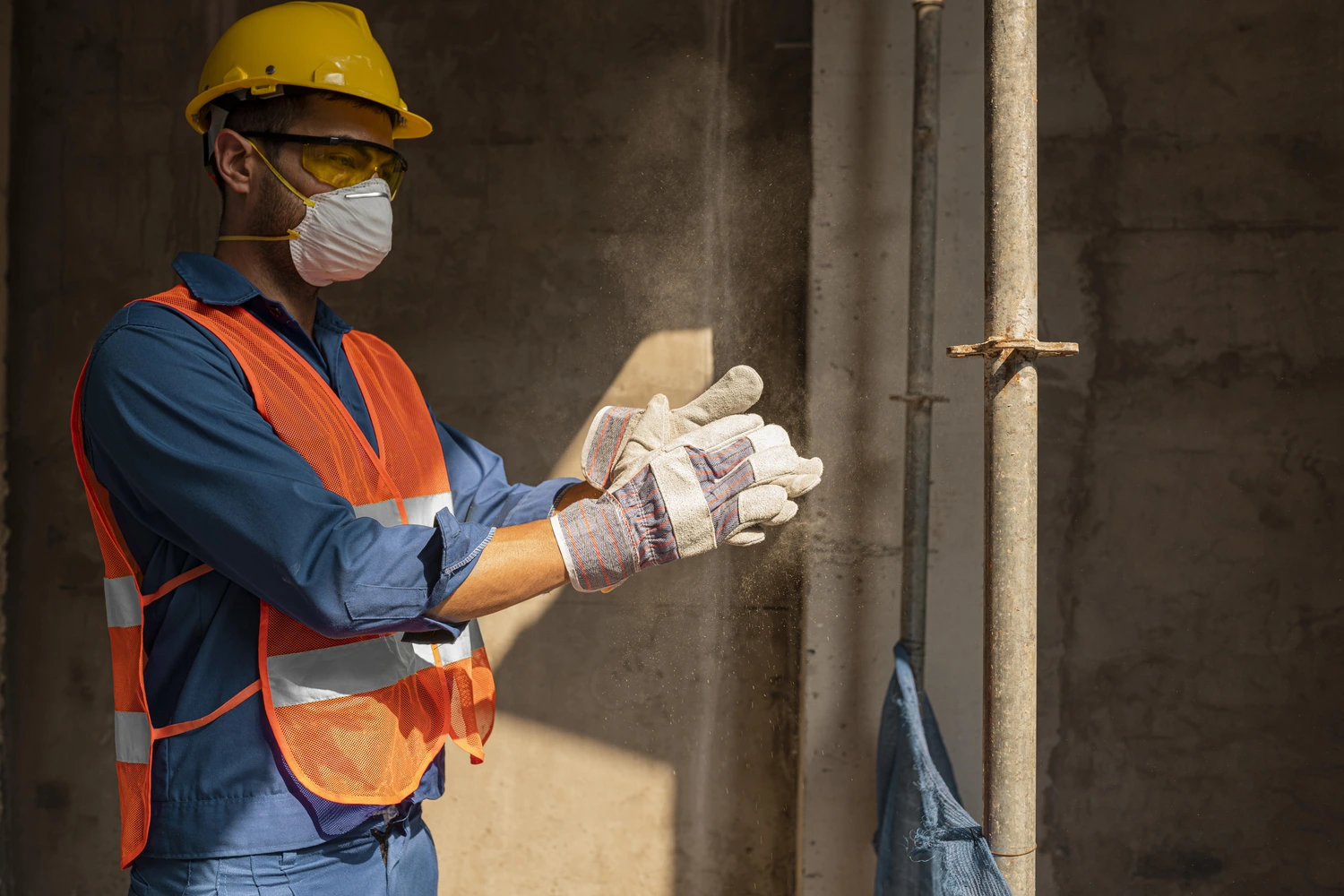
Workers wear approved respirators and disposable protective clothing. Decontamination procedures are followed before anyone exits the controlled area. This prevents fibres from spreading beyond the work zone and keeps surrounding properties safe.
Asbestos Abatement Methods Comparison
Not every project requires the same approach. Contractors select the correct removal method based on material type and condition.
| Removal Type | Application | Risk Level | Licence Required |
| Non-friable removal | Bonded sheets and panels | Lower if intact | Class B |
| Friable removal | Crumbling or loose asbestos | High | Class A |
| Soil remediation | Contaminated soil | Variable | Licensed specialists |
| Partial removal | Isolated sections | Controlled | Depends on the scope |
Choosing the correct licensed asbestos removal method reduces risk and ensures compliance with asbestos abatement regulations.
Safe Asbestos Disposal Services
After removal, asbestos cannot be treated as normal waste. Certified asbestos disposal services manage transport and final disposal. Contractors double-wrap materials in heavy-duty plastic, seal them securely, and label them clearly. Waste is transported in approved vehicles to licensed facilities.
Each load is documented. Tracking ensures the material moves from the site to the disposal centre legally and safely. Illegal dumping carries serious penalties in Queensland. Professional asbestos removal services protect property owners from this risk by properly managing disposal.
Air Monitoring and Clearance
Air monitoring adds another level of assurance during asbestos abatement. In higher-risk jobs, independent assessors measure airborne fibres during and after removal. Once removal is complete, the site undergoes a detailed visual inspection. Surfaces are cleaned using specialised equipment. If required, air testing confirms that fibre levels are within legal limits.
A clearance certificate is then issued. Without this document, demolition or rebuilding cannot proceed legally. This structured process ensures the site is safe before the next phase begins.
How Demolition Specialists Add Value
Demolition specialists integrate asbestos abatement into the overall demolition timeline. Instead of coordinating separate contractors, property owners work with one experienced team.
This approach improves project flow. It reduces delays and avoids confusion between trades. Specialist demolition contractors manage asbestos removal services alongside structural dismantling, contaminated soil removal, and site preparation. This integrated system increases efficiency while maintaining safety standards.
Common Risks Contractors Avoid
Professional asbestos removal services focus on preventing predictable risks before they escalate.
Risks Managed During Abatement
- Fibre release into neighbouring properties
- Cross-contamination of equipment and machinery
- Worker exposure from incorrect PPE use
- Regulatory penalties for non-compliance
- Project delays due to failed inspections
By following asbestos abatement regulations carefully, licensed asbestos removal teams significantly reduce these risks.
Environmental Responsibility on the Gold Coast
A clean environment and pure air are important for the Gold Coast lifestyle. Taking care of asbestos responsibly is good for the environment. Contractors prepare transport routes to minimise disturbance. They keep nearby waterways from being dirty. Dust control systems are better for the environment.
Modern asbestos removal services prioritise safety and environmental responsibility equally. It is not just about following the rules. It is about keeping the community’s health safe.
When Property Owners Should Act
If your home was built before 1990 and you want to remodel or tear it down, you need to prepare for asbestos removal. If you can see damage to wall sheets, roofing panels, fencing, or soil, it may indicate the presence of asbestos. If you touch these things without a license to remove asbestos, you could release fibres into the air.
Do not try to remove it yourself. Most of the time, trained specialists are required to remove asbestos under the rules. Taking action early safeguards both the project’s health and its schedule.
Choosing the Right Contractor
It is very important to choose the correct company to remove asbestos. Check for a valid license, clear safety procedures, clear paperwork for disposal, and experience on the Gold Coast. Find out whether they follow the rules for asbestos removal and whether they offer clearance certification. A professional contractor will explain their method in a straightforward, confident manner. If they hesitate, ask them to think it over again.
Conclusion
Safe asbestos abatement on the Gold Coast requires structured planning, licensed asbestos removal, controlled containment, and certified asbestos disposal services. Contractors follow asbestos abatement regulations closely to protect workers, neighbours, and property owners.
From inspection and removal to final clearance, every step must be handled professionally. Cutting corners increases health risks and legal exposure.
If you are planning demolition or redevelopment, contact Safeway Demo today to organise professional asbestos abatement and contaminated soil removal managed by experienced demolition specialists who understand Gold Coast regulations.
FAQs:
-
Is asbestos removal always required before demolition?
If any items contain asbestos, they must be removed before demolition can begin. Licensed asbestos removal ensures that fibres are contained and that contamination is prevented during the demolition of a building.
-
What is the difference between friable and non-friable asbestos?
Friable asbestos can break apart quickly and release fibres into the air, increasing the risk. Non-friable asbestos is stuck to solid things, yet it can still be dangerous if it is broken during remodelling or demolition.
-
How long does asbestos abatement take?
It may take one day to finish a little home job, while it could take several days to finish a major commercial project. The time required depends on the type of material, the site size, testing needs, and clearance checks.
-
Do asbestos disposal services provide documentation?
Yes. Certified asbestos disposal providers give you tracking documents that show the waste was picked up and delivered to approved facilities. This keeps property owners from being held responsible and ensures they follow the rules.
-
Can contaminated soil contain asbestos fibres?
Yes. In the past, when buildings were torn down or due to bad weather, broken asbestos materials could get mixed into the soil. To thoroughly fix the site, contractors may do both asbestos abatement and hazardous soil cleanup.
